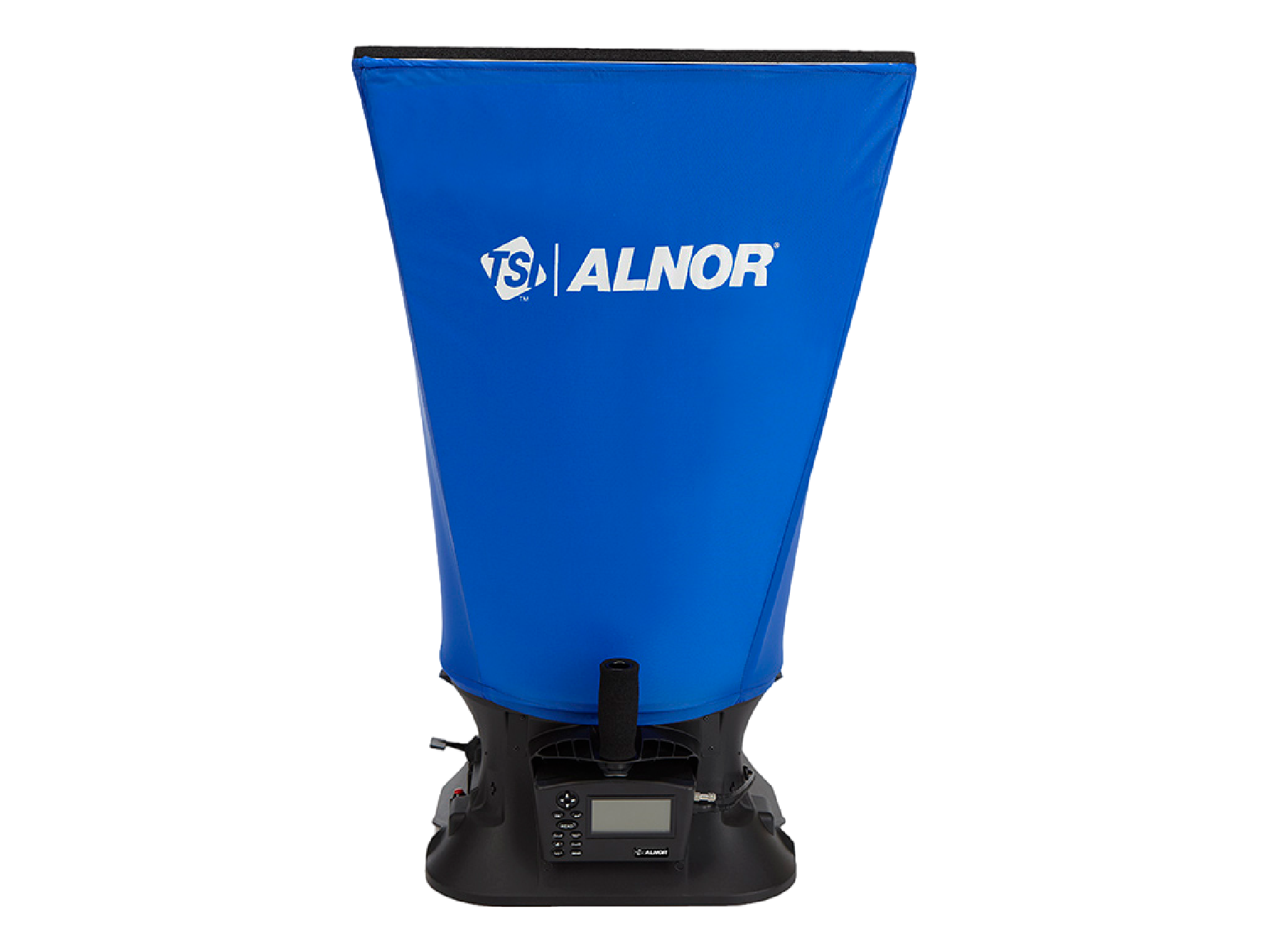










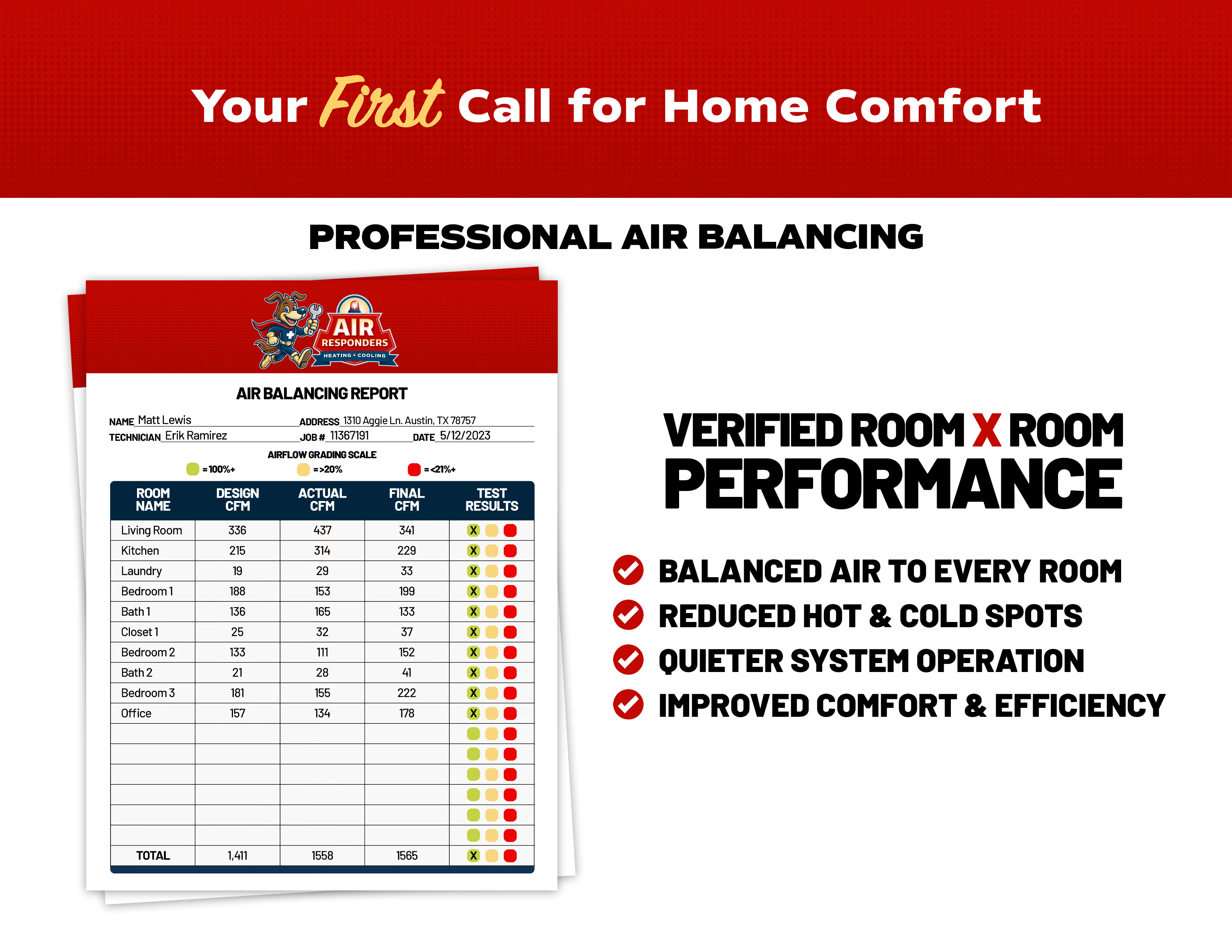







Airflow at each supply and return, static pressure at the air handler, and temperature at every register, so the problem becomes a number instead of an opinion.

Crushed flex, undersized runs, closed returns and leaking plenums get photographed, then corrected. Dampers are set and returns added where the readings call for it.

We take the same measurements again after the work, so you can watch the rooms even out instead of taking our word for it.
You keep the written airflow report, labor coverage is in writing, and a manager calls afterward to confirm it was done right.

Most Austin homeowners are quoted $8,000–$12,000 up front for a new furnace. Ours starts at $125 a month — 0% interest, and no payments for 18 months.
Air Responders serves 40 cities within 50 miles of Austin, including Round Rock, Cedar Park, Georgetown, Pflugerville, Kyle, Buda, San Marcos, and New Braunfels. Most heating and cooling repairs handled same or next day.


Common signals: big temperature differences between rooms, weak air at some registers, a coil that freezes periodically, a blower that's noticeably loud, or a system that runs constantly without holding setpoint.
Static pressure is the number that confirms it. Many Austin systems run well above what the equipment was designed for, and that single reading explains a surprising share of complaints homeowners blame on the air conditioner itself.
Often, at least substantially. Heat rises and upstairs runs are usually the longest in the system, so the top floor tends to be the loser — but the fix is frequently as ordinary as dampers set wrong, an undersized upstairs return or a duct crushed against a rafter.
Where the duct system genuinely can't serve both floors, zoning or a dedicated system is the real answer. The measurements tell us which conversation to have.
The evaluation is $70 and covers room-by-room airflow readings, static pressure at the air handler and temperature at every register, documented so you can see the imbalance rather than take our word for it.
What the correction costs depends on what the readings show. Damper adjustment is inexpensive; resizing runs or adding a return is a larger job, and we price it separately so you can see the difference.
It's the most common piece of well-meant advice, and it usually makes things worse. Closing registers raises static pressure across the whole system, which strains the blower, reduces total airflow and can push the evaporator coil toward freezing.
Proper balancing is done at the dampers in the duct system, not at the registers in the room — that way the total air moved stays right while its distribution changes.
Air balancing means measuring the airflow reaching each room, comparing it to what that room actually needs, and correcting the difference — through damper adjustment, duct changes or added returns.
The key word is measuring. Balancing done by feel at the register is guesswork; balancing done with instruments turns a vague complaint about one bad bedroom into a number you can act on and verify afterward.
Almost always airflow rather than a broken air conditioner. The usual culprits are an undersized supply run, a crushed or kinked flex duct, a register too far from the air handler, or a return that can't pull enough air out of that part of the house.
Rooms over garages and second-storey additions are the classic cases in Austin, because they were frequently added to a duct system that was never resized for them.
Heating, cooling, or air quality — book online in under a minute or call and talk to a real person. Same or next-day service across the Austin area.