











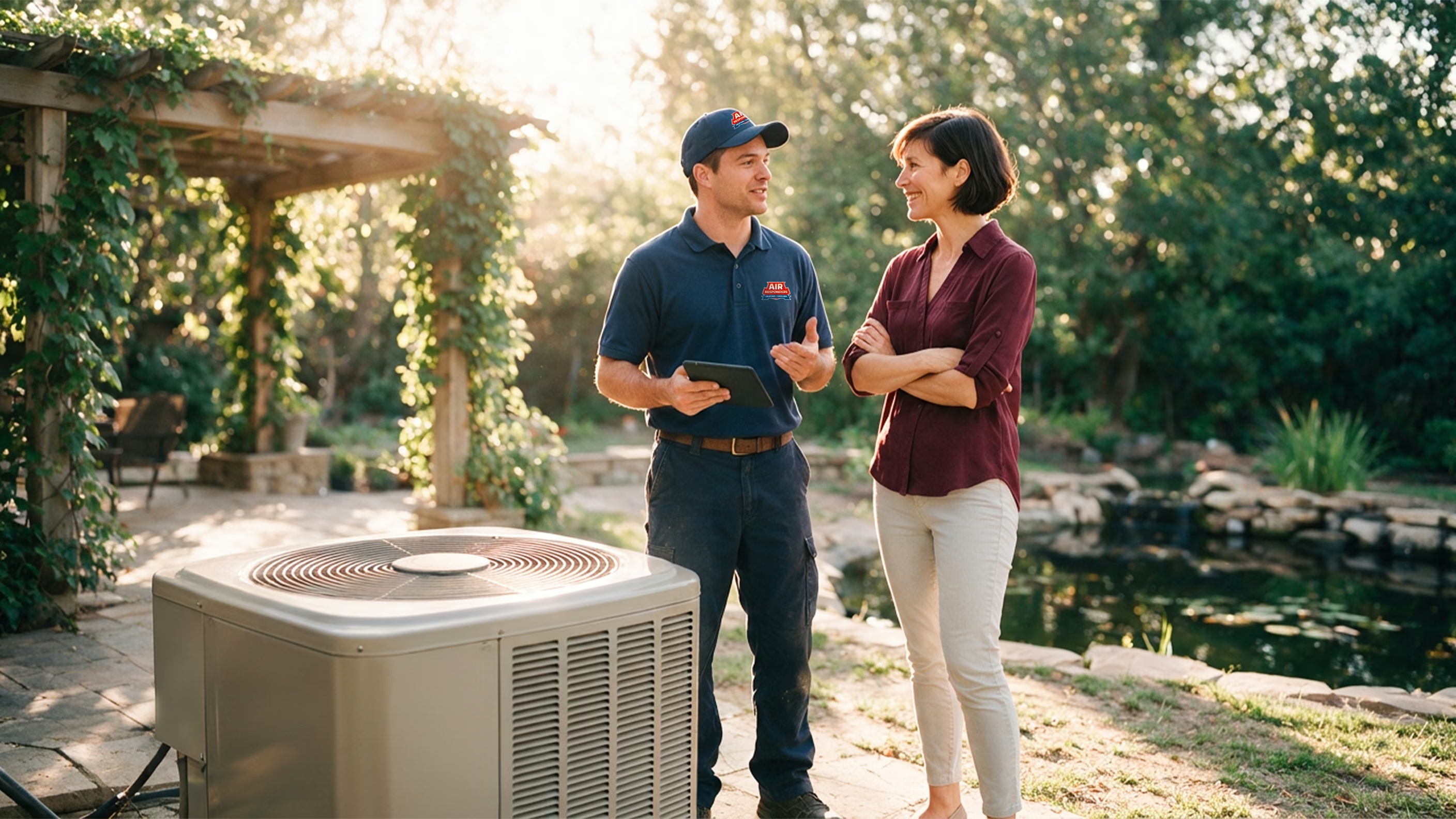



We size the system to your home, not to the box that's in it now. Load calculations, duct and airflow measurements, and a full system evaluation come first. You get three options in writing, with the reasoning and the financing behind each.

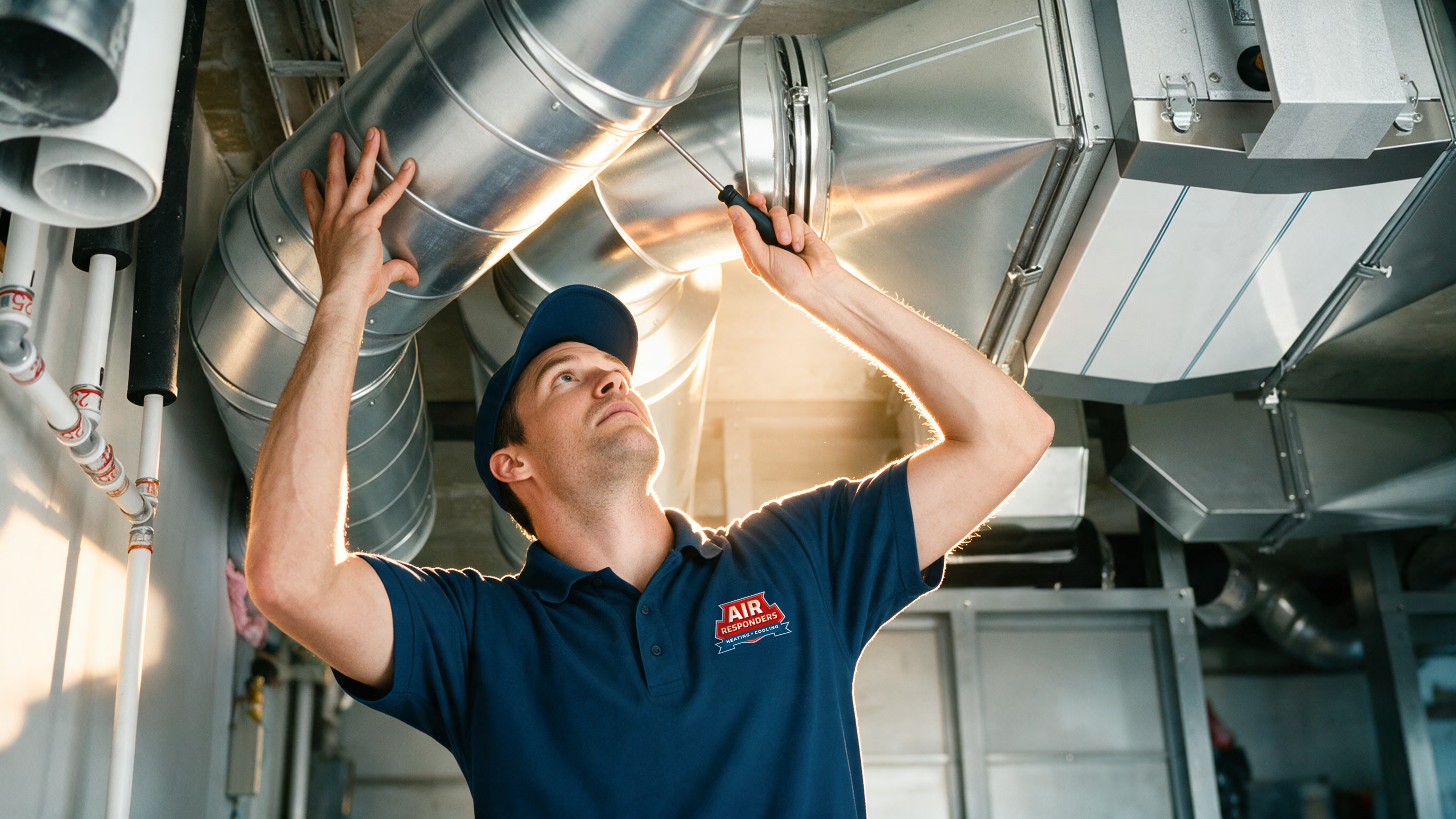
Uniformed technician, marked truck, shoe covers and drop cloths down before the first tool comes out. Daikin and Lennox equipment installed to manufacturer spec, with ductwork, drain and electrical corrected at the same time. Most installs finish in a single day.

An install is not finished when the unit turns on. We measure static pressure, airflow, refrigerant charge and temperature split, then hand you the readings with photos and video so you can see the system performing to spec.
Your warranty is registered for you the day we finish, labor coverage is in writing, and a manager calls after every job to confirm it was done right. If a number drifts, we come back and correct it.
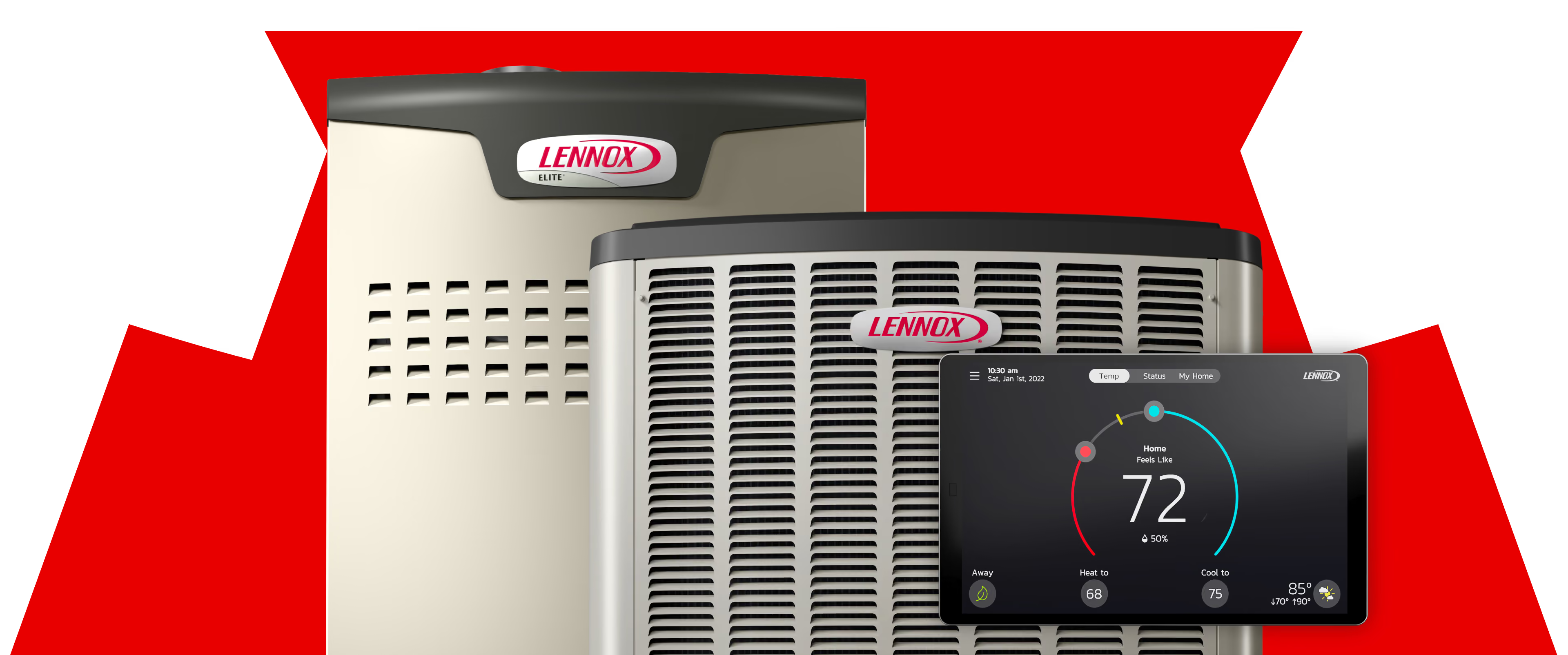

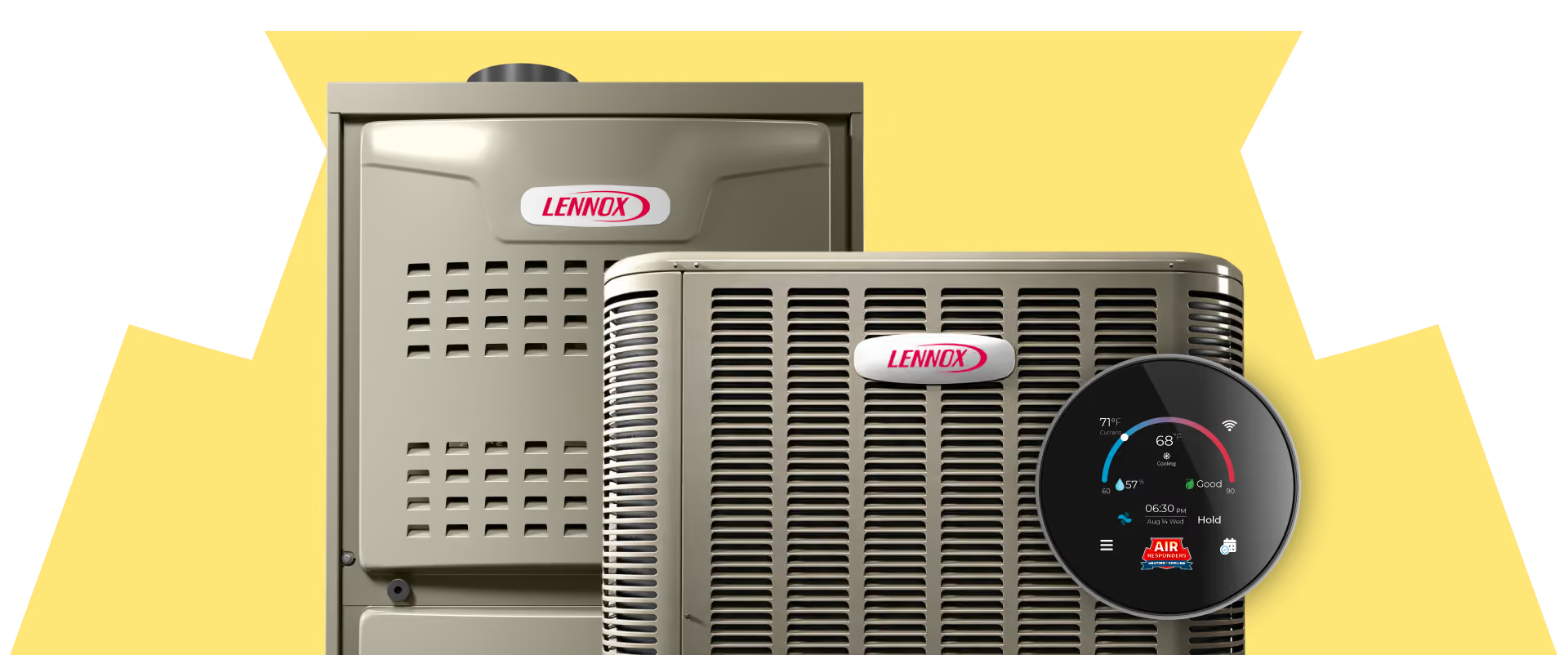
Most Austin homeowners are quoted $8,000–$12,000 up front for a new furnace. Ours starts at $125 a month — 0% interest, and no payments for 18 months.
Air Responders serves 40 cities within 50 miles of Austin, including Round Rock, Cedar Park, Georgetown, Pflugerville, Kyle, Buda, San Marcos, and New Braunfels. Most heating and cooling repairs handled same or next day.


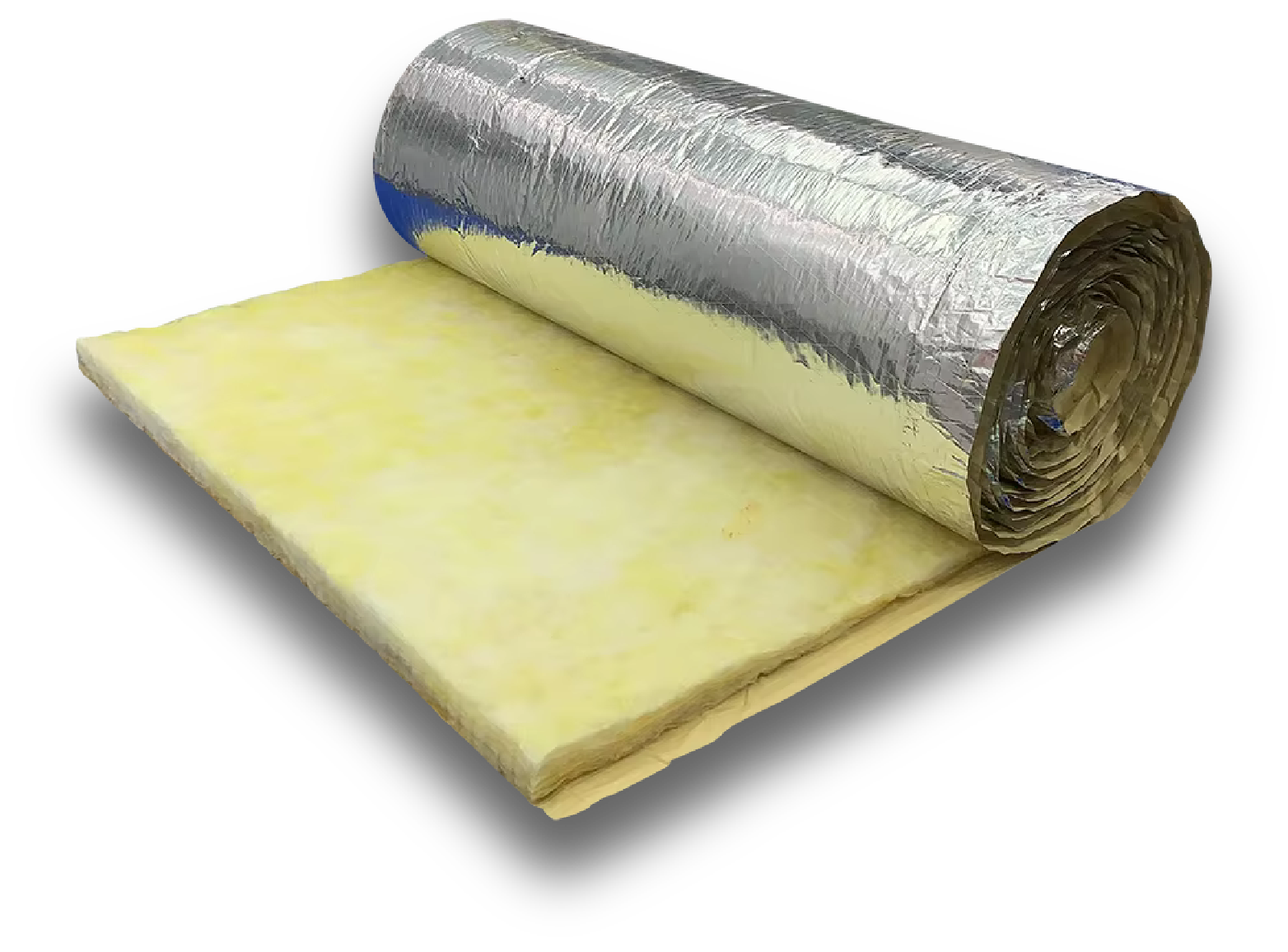
It matters more than most homeowners expect, and it has to happen first. Insulation slows heat moving through materials; it does nothing about air moving through gaps — around can lights, top plates, plumbing penetrations and a poorly sealed attic hatch.
Blowing insulation over unsealed penetrations buries the problem without fixing it. We seal, then insulate, and photograph the finished depth so you can see what you paid for.
Not always. If the existing material is dry, clean and evenly distributed, blowing new insulation over the top is usually the sensible and economical route.
Removal is warranted when insulation is water-damaged, compacted, contaminated by rodents, or hiding problems that need attention underneath. We photograph what's up there and show you why before recommending the more expensive path.
Pricing runs on square footage, the depth you're adding, and whether existing material has to be removed first — removal is a separate job and we price it separately rather than folding it into a single vague number.
The $70 evaluation covers measured depth and coverage, photographs of air leaks and penetrations, and a duct condition check while we're up there. Financing is available on insulation work.
Insulate first, nearly every time. Upsizing a system to overcome a leaky, poorly insulated envelope means paying more up front, more every month, and getting worse humidity control from a unit that short-cycles.
We run the load calculation both ways — house as it stands, and house with the attic brought up to spec — so you can see what the insulation does to the required tonnage before deciding where the money goes.
It's usually the highest-return improvement available to an under-insulated Austin house. Your attic reaches around 140 degrees on a July afternoon, and an under-insulated ceiling lets that heat pour into the rooms below all day while the air conditioner fights it.
Insulation reduces the load rather than the equipment's efficiency — the system simply has less work to do, so it runs shorter cycles and lasts longer.
Current recommendations for our climate zone put attics at roughly R-38, which is about 12 to 14 inches of blown-in insulation depending on the material. A lot of Austin homes built before the mid-2000s sit closer to R-13 to R-19.
Depth alone isn't the whole story, though. Even coverage and proper air sealing at penetrations matter as much as the number, and a deep attic with gaps around every can light underperforms its rating.
Heating, cooling, or air quality — book online in under a minute or call and talk to a real person. Same or next-day service across the Austin area.