













We size the system to your home, not to the box that's in it now. Load calculations, duct and airflow measurements, and a full system evaluation come first. You get three options in writing, with the reasoning and the financing behind each.

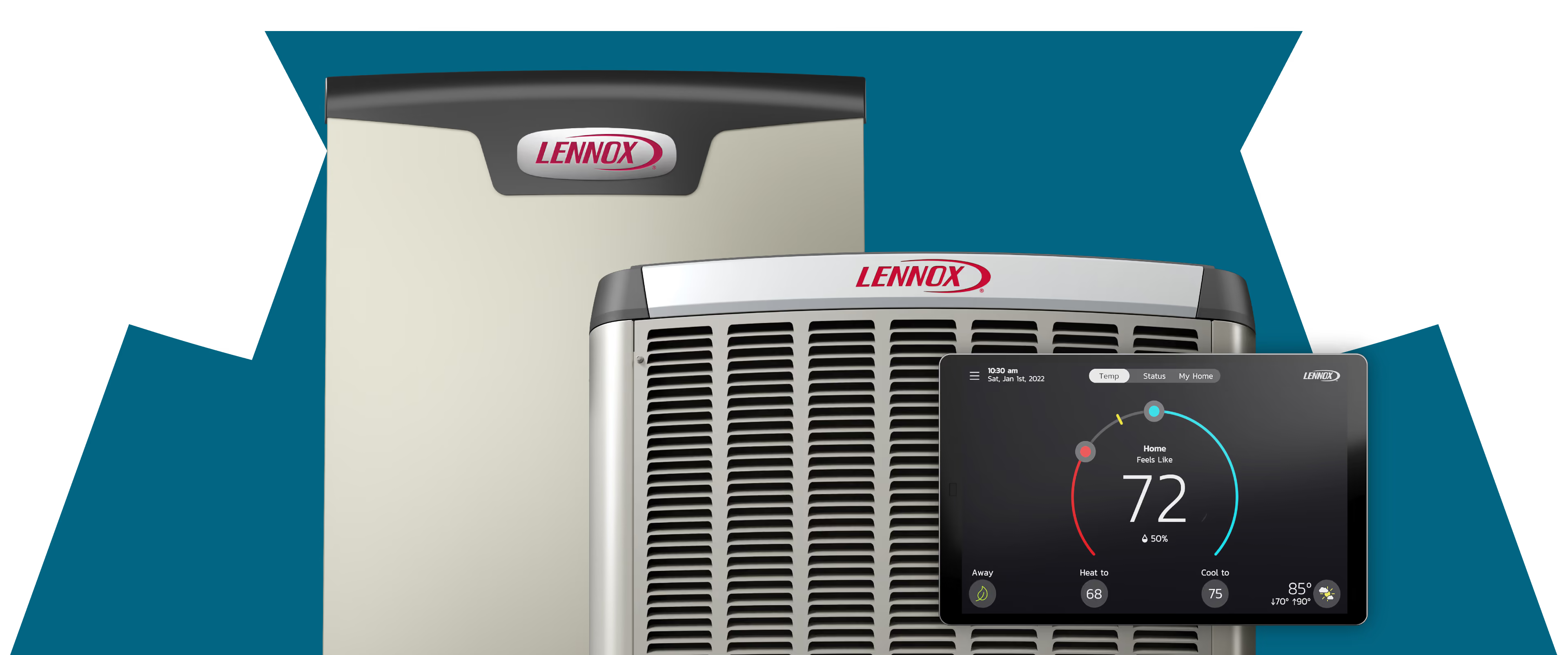
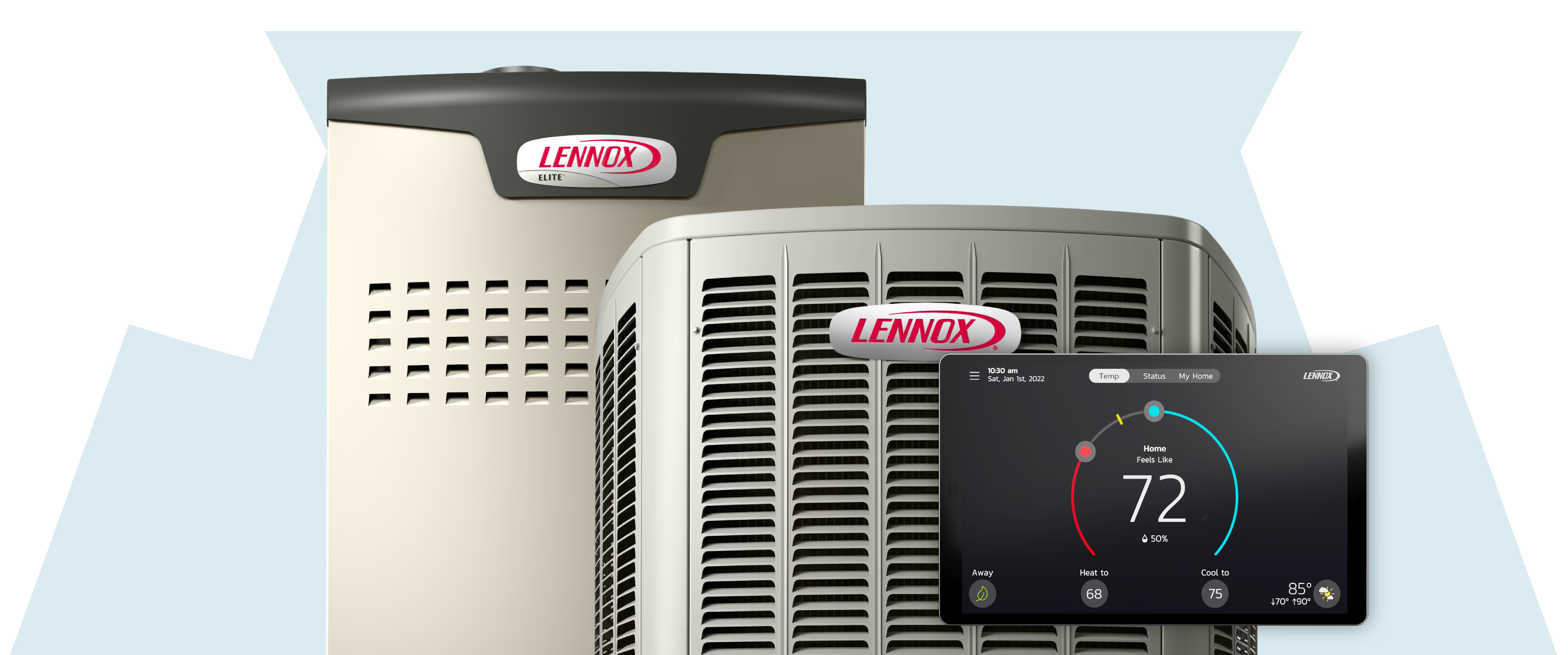
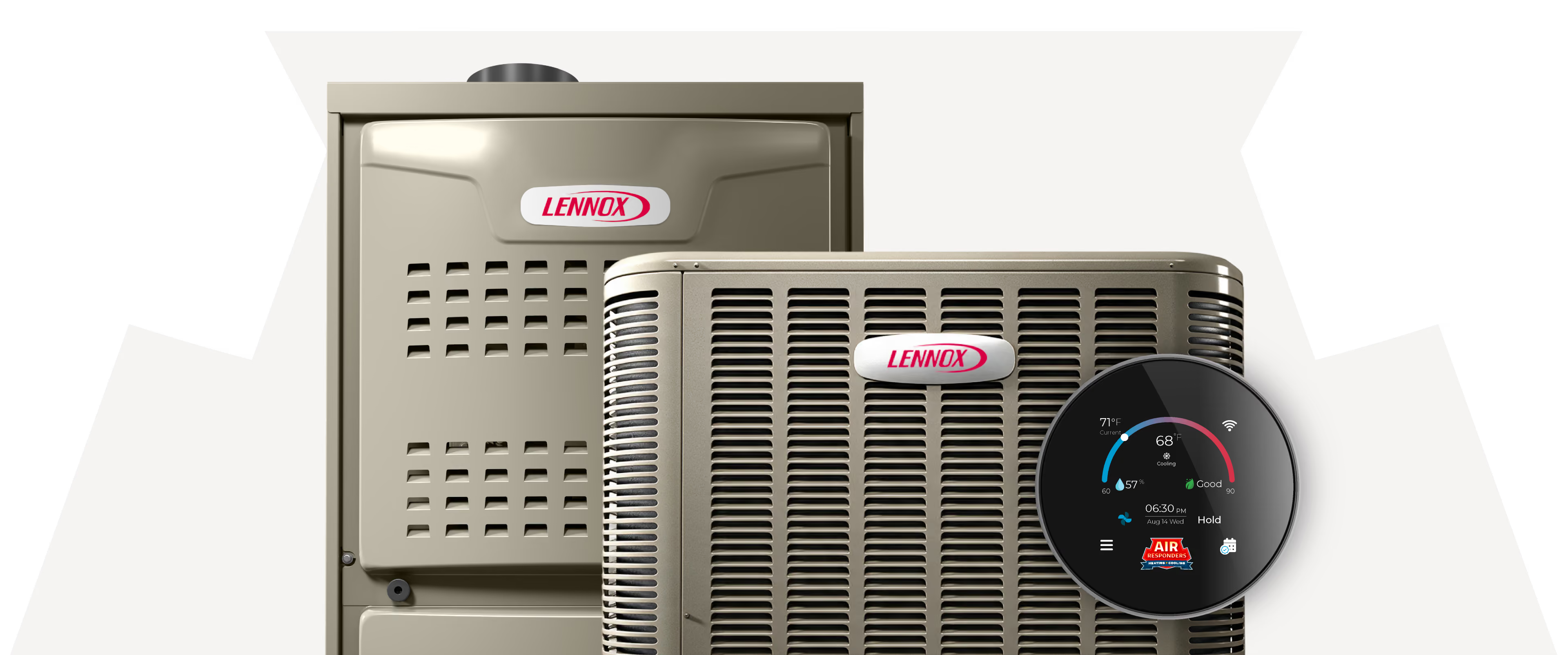
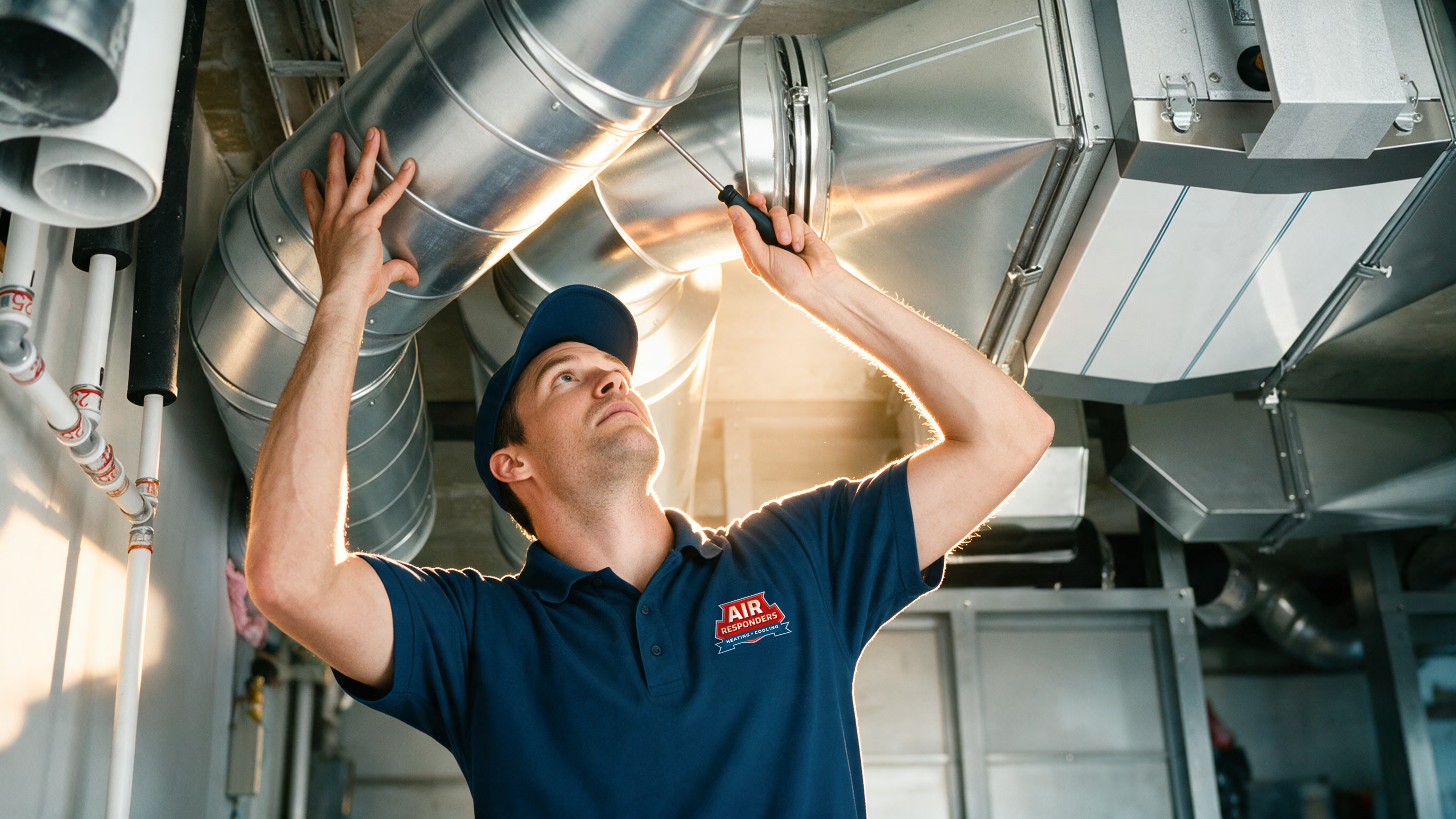
Uniformed technician, marked truck, shoe covers and drop cloths down before the first tool comes out. Daikin and Lennox equipment installed to manufacturer spec, with ductwork, drain and electrical corrected at the same time. Most installs finish in a single day.

An install is not finished when the unit turns on. We measure static pressure, airflow, refrigerant charge and temperature split, then hand you the readings with photos and video so you can see the system performing to spec.
Your warranty is registered for you the day we finish, labor coverage is in writing, and a manager calls after every job to confirm it was done right. If a number drifts, we come back and correct it.

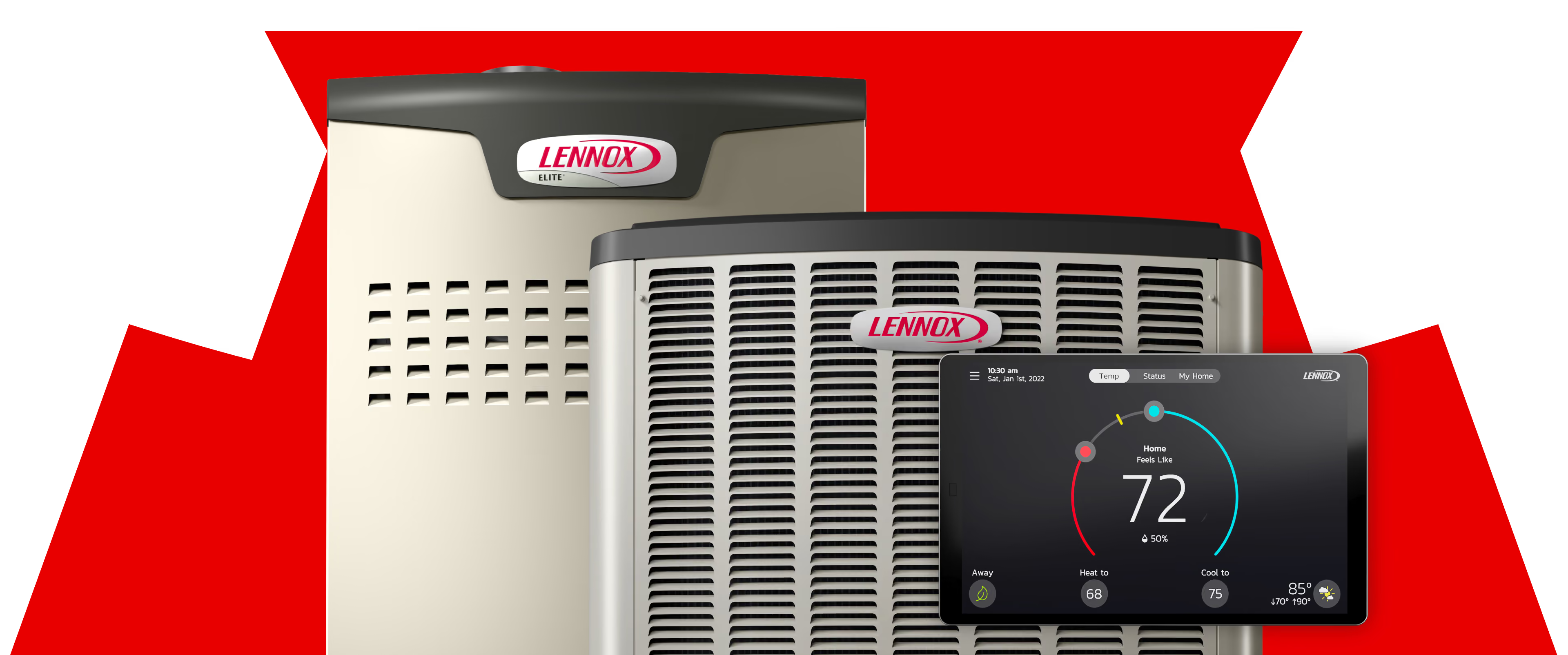

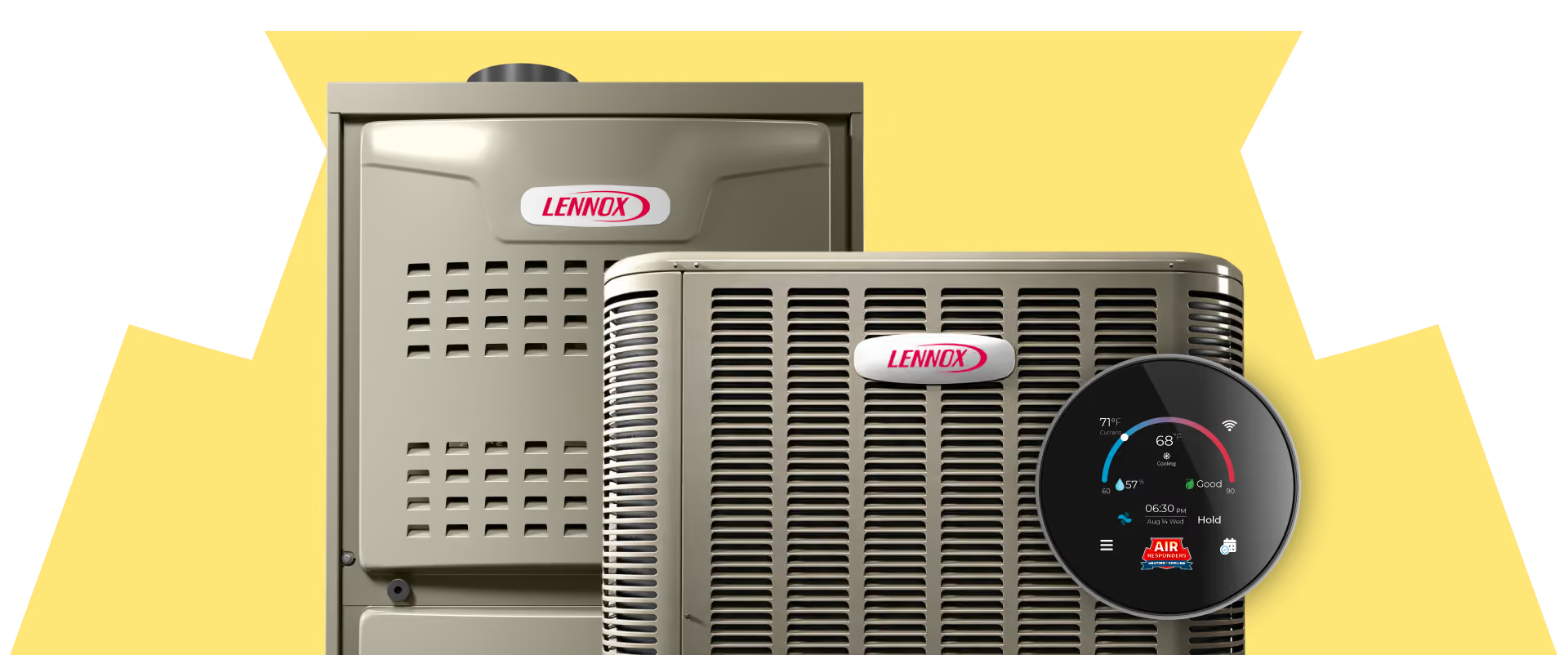
Most Austin homeowners are quoted $8,000–$12,000 up front for a new furnace. Ours starts at $125 a month — 0% interest, and no payments for 18 months.
Air Responders serves 40 cities within 50 miles of Austin, including Round Rock, Cedar Park, Georgetown, Pflugerville, Kyle, Buda, San Marcos, and New Braunfels. Most heating and cooling repairs handled same or next day.


A gentle rinse with a garden hose, with the power off at the disconnect, can help clear grass clippings and surface debris from the outside of the coil. Keep about two feet of clearance around the unit and don't let shrubs grow into it.
Avoid a pressure washer — it bends the fins and makes the airflow problem worse. Anything beyond a rinse means opening the unit, and that's a job for a technician.
Ten to fifteen years is typical in Central Texas, at the lower end of the national range because of the hours and the heat it works against here.
The compressor is the component that decides it. Clean coils, correct refrigerant charge and a healthy capacitor are what keep a compressor alive; running a system low on refrigerant or with a fouled coil is the fastest way to lose one early.
Sometimes, but it's the most common shortcut in the trade and it often costs the homeowner. The condenser and indoor coil are engineered as a matched pair, and mismatching them means the system never reaches its rated efficiency, frequently struggles to hold charge, and may fall outside warranty coverage.
We check the coil, line set, metering device and airflow before recommending a condenser, so the pair actually performs as designed.
Once a year as part of a tune-up, and more often if the unit sits near cottonwood, heavy landscaping or a dryer vent. In Austin, spring cottonwood and construction dust can pack a coil within a single season.
A dirty coil raises head pressure, drives up the amp draw, and makes the compressor work harder for the same cooling. It's one of the cheapest things to fix and one of the most expensive to ignore.
If the fan spins but the compressor isn't running, the most common cause is a failed capacitor or contactor. If both are running and you're still not getting cool air, look at refrigerant charge, a dirty condenser coil, or a problem on the indoor half of the system.
We test the outdoor unit and the indoor coil together, because on a split system the visible half is often not the half that failed.
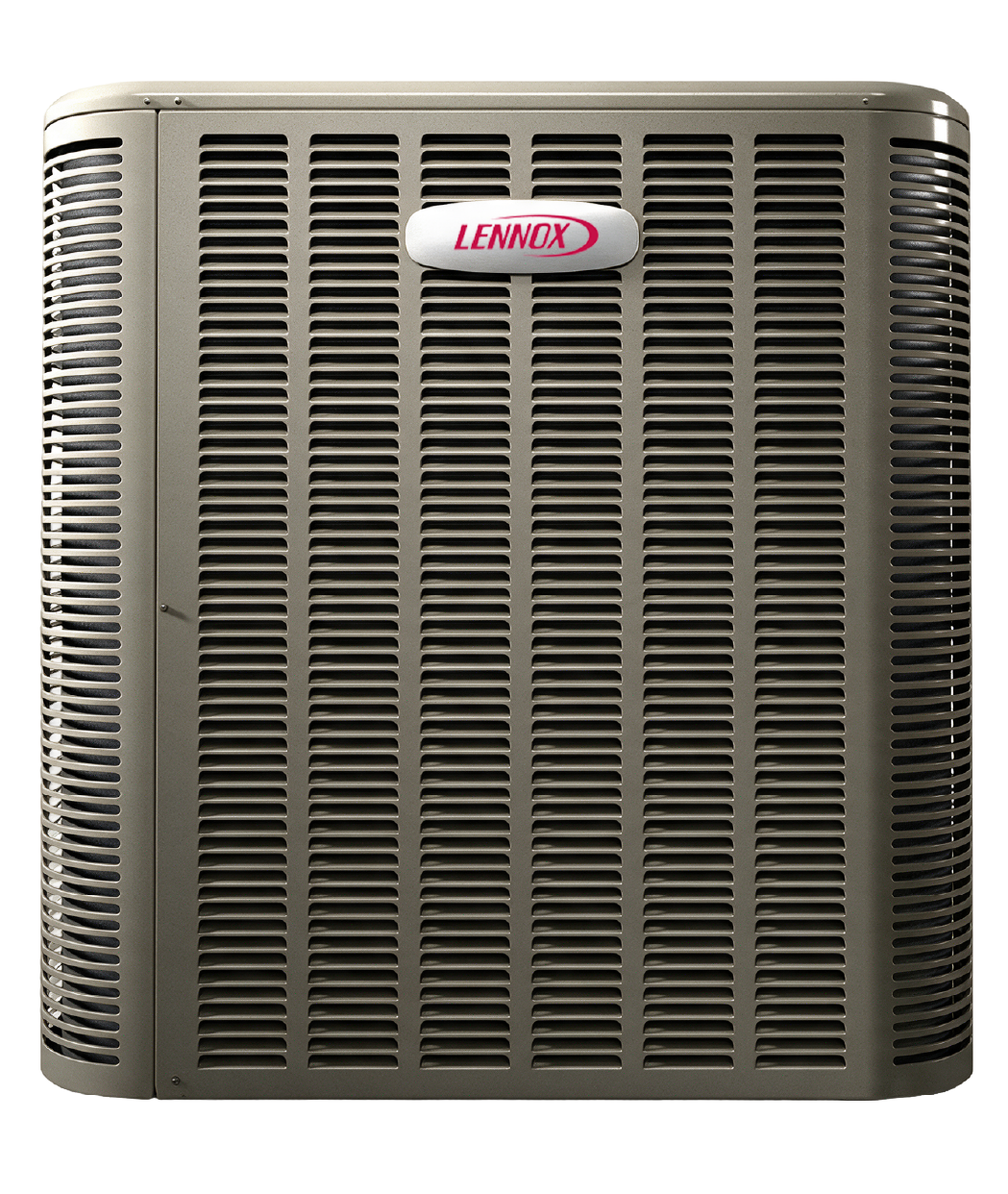
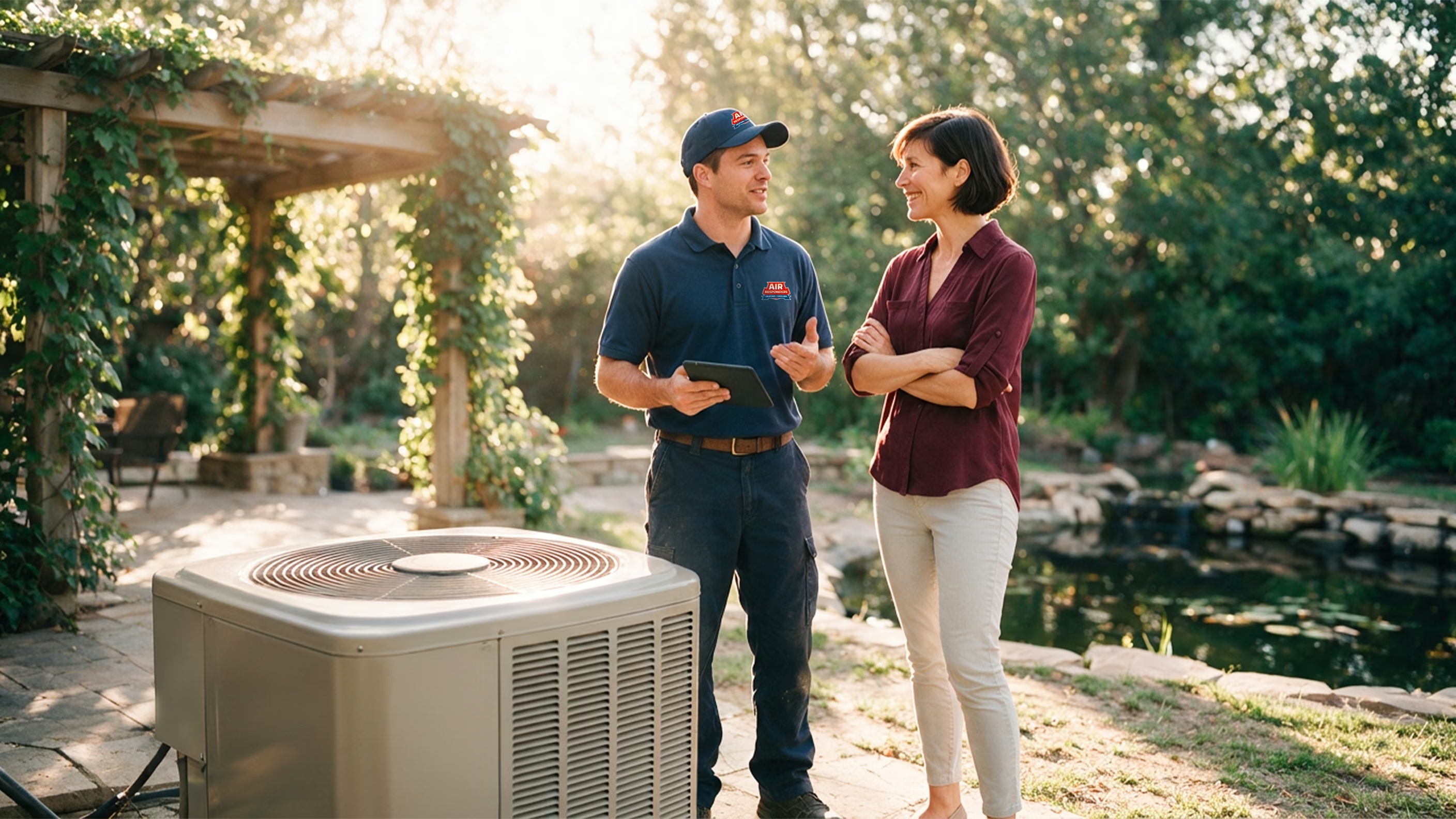
The condenser is the outdoor unit, and its job is to dump the heat your system collected indoors into the outside air. It holds the compressor, the condenser coil and the fan.
That job gets harder as the outdoor temperature climbs, which is why Austin condensers work so much harder than the same unit would elsewhere — rejecting heat into 100-degree air leaves far less margin than rejecting it into 80-degree air.
Heating, cooling, or air quality — book online in under a minute or call and talk to a real person. Same or next-day service across the Austin area.