















We size the system to your home, not to the box that's in it now. Load calculations, duct and airflow measurements, and a full system evaluation come first. You get three options in writing, with the reasoning and the financing behind each.

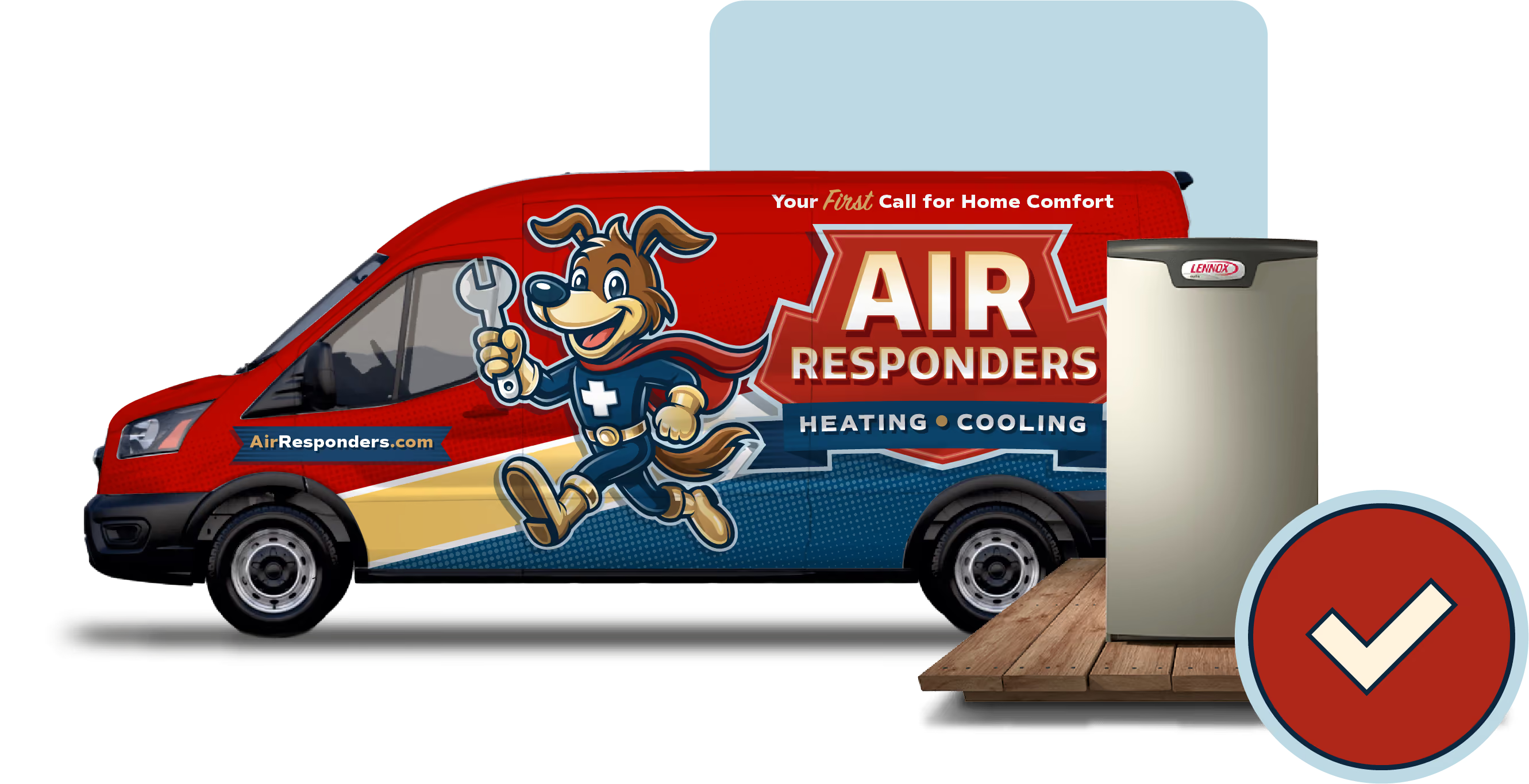
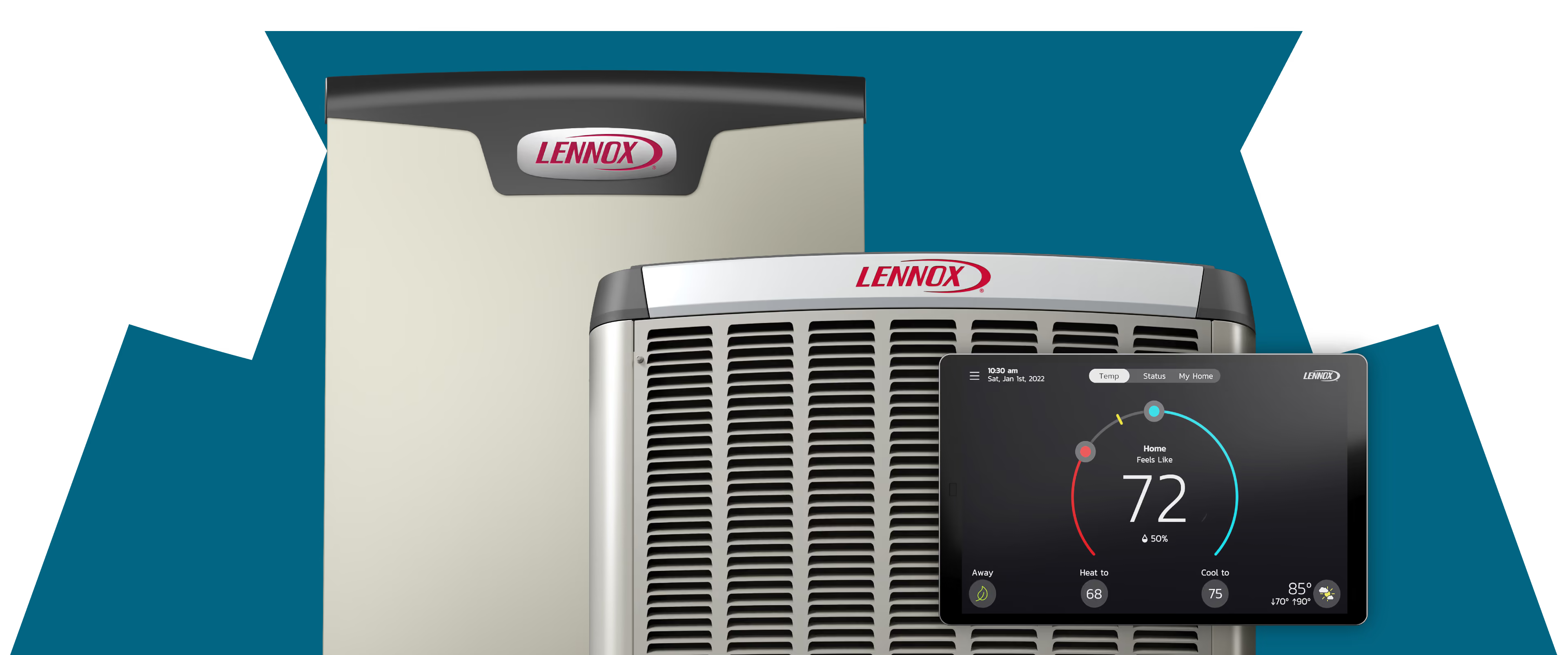
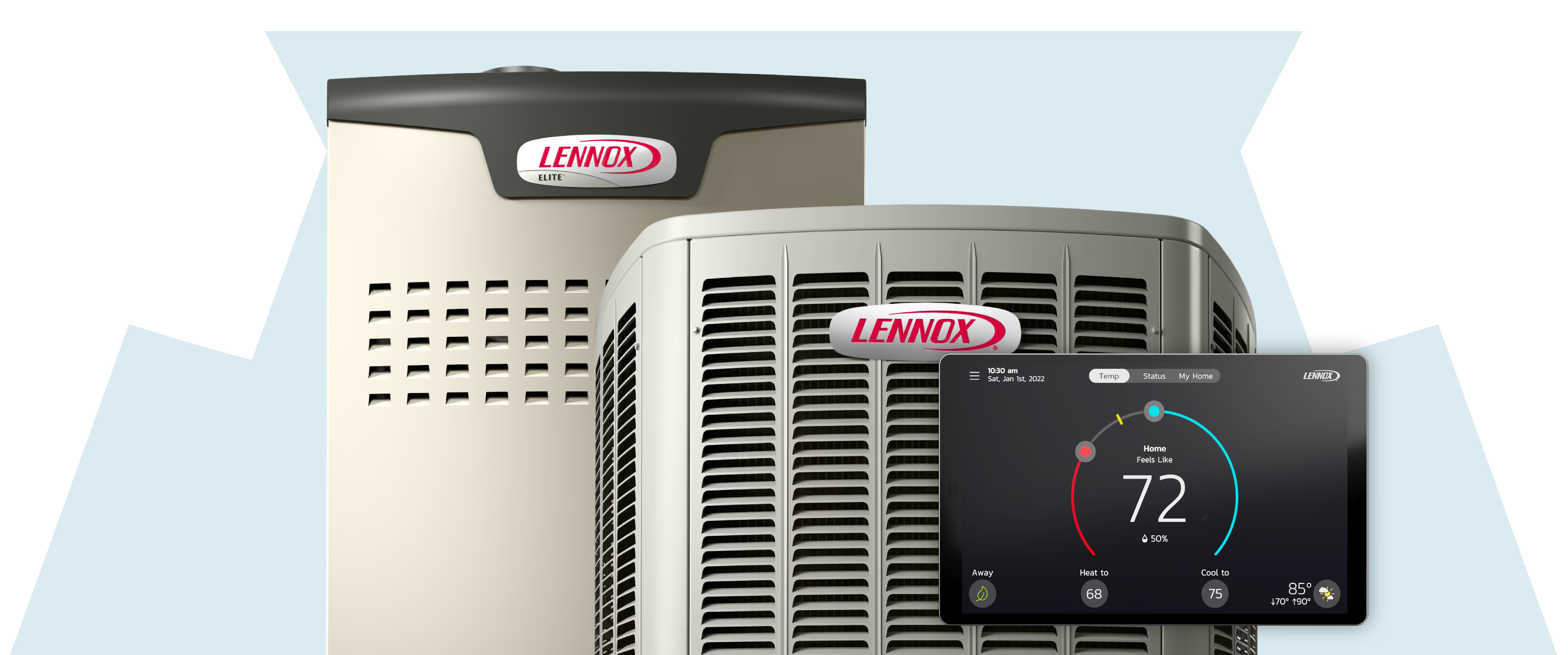
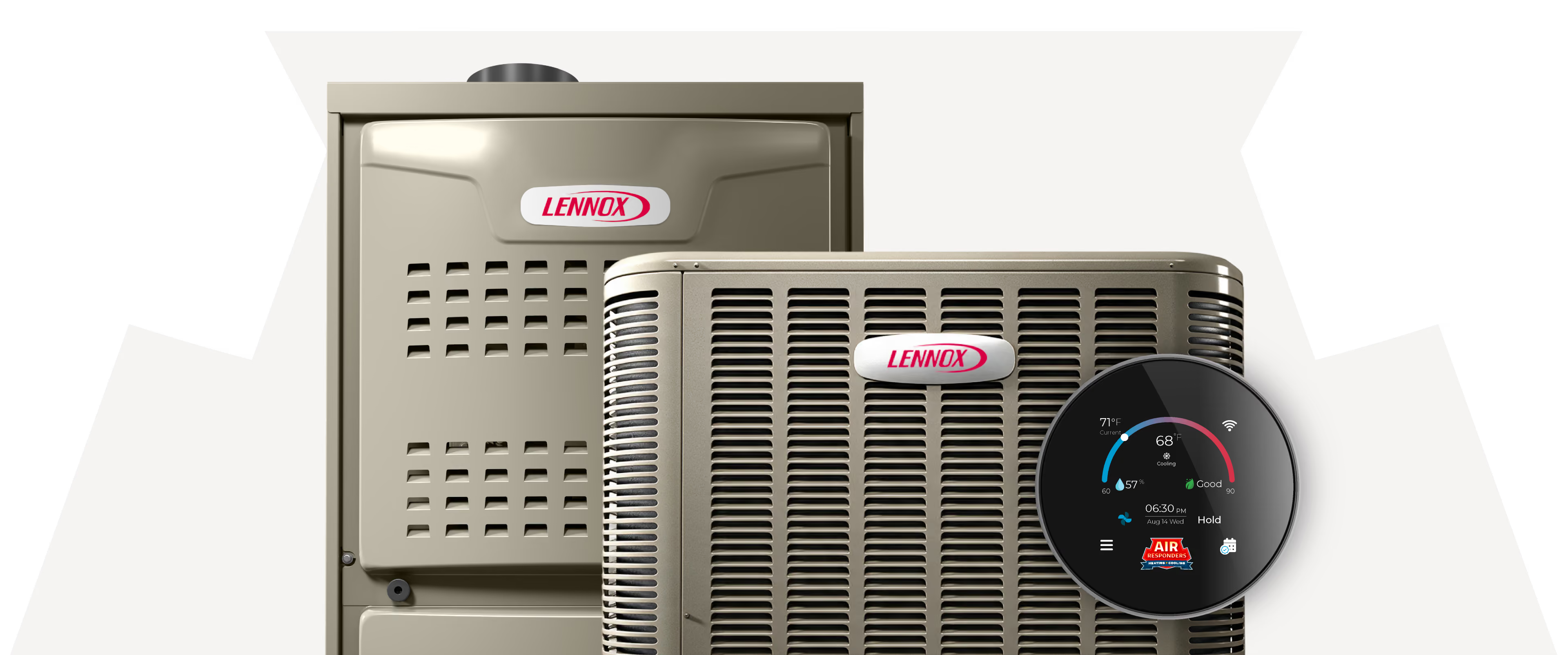
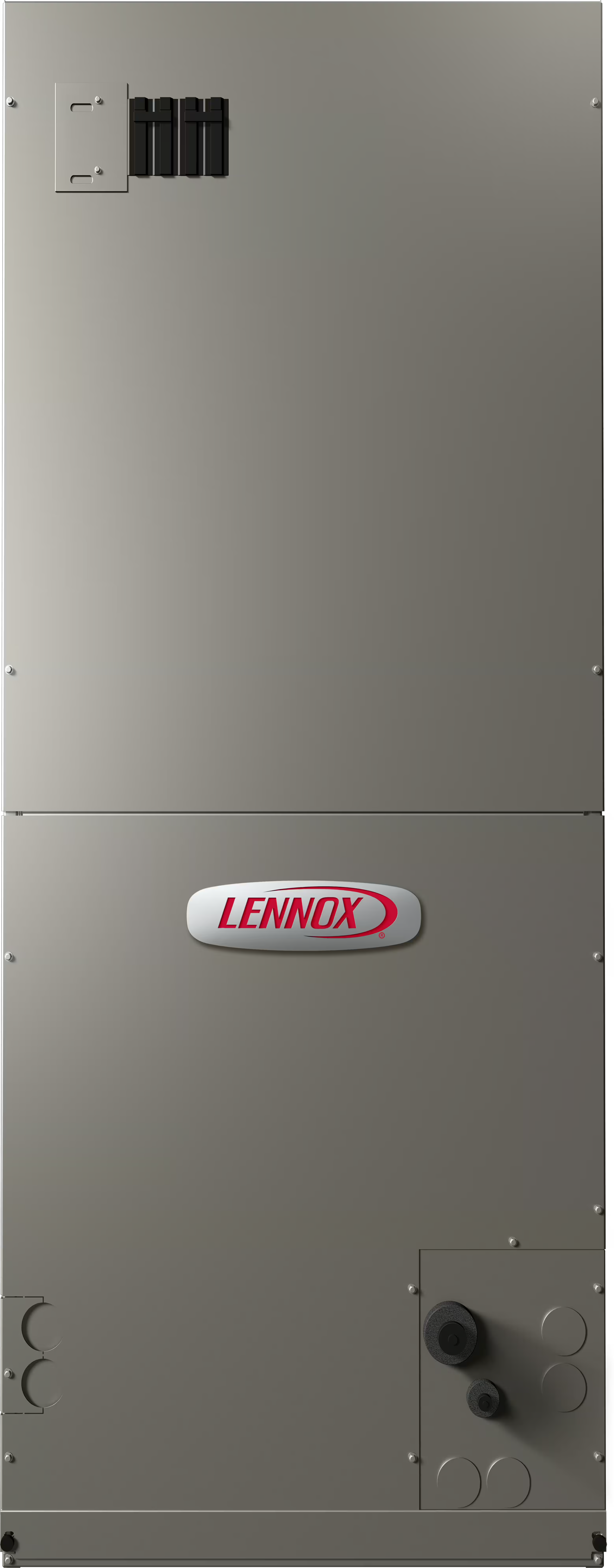
Uniformed technician, marked truck, shoe covers and drop cloths down before the first tool comes out. Daikin and Lennox equipment installed to manufacturer spec, with ductwork, drain and electrical corrected at the same time. Most installs finish in a single day.

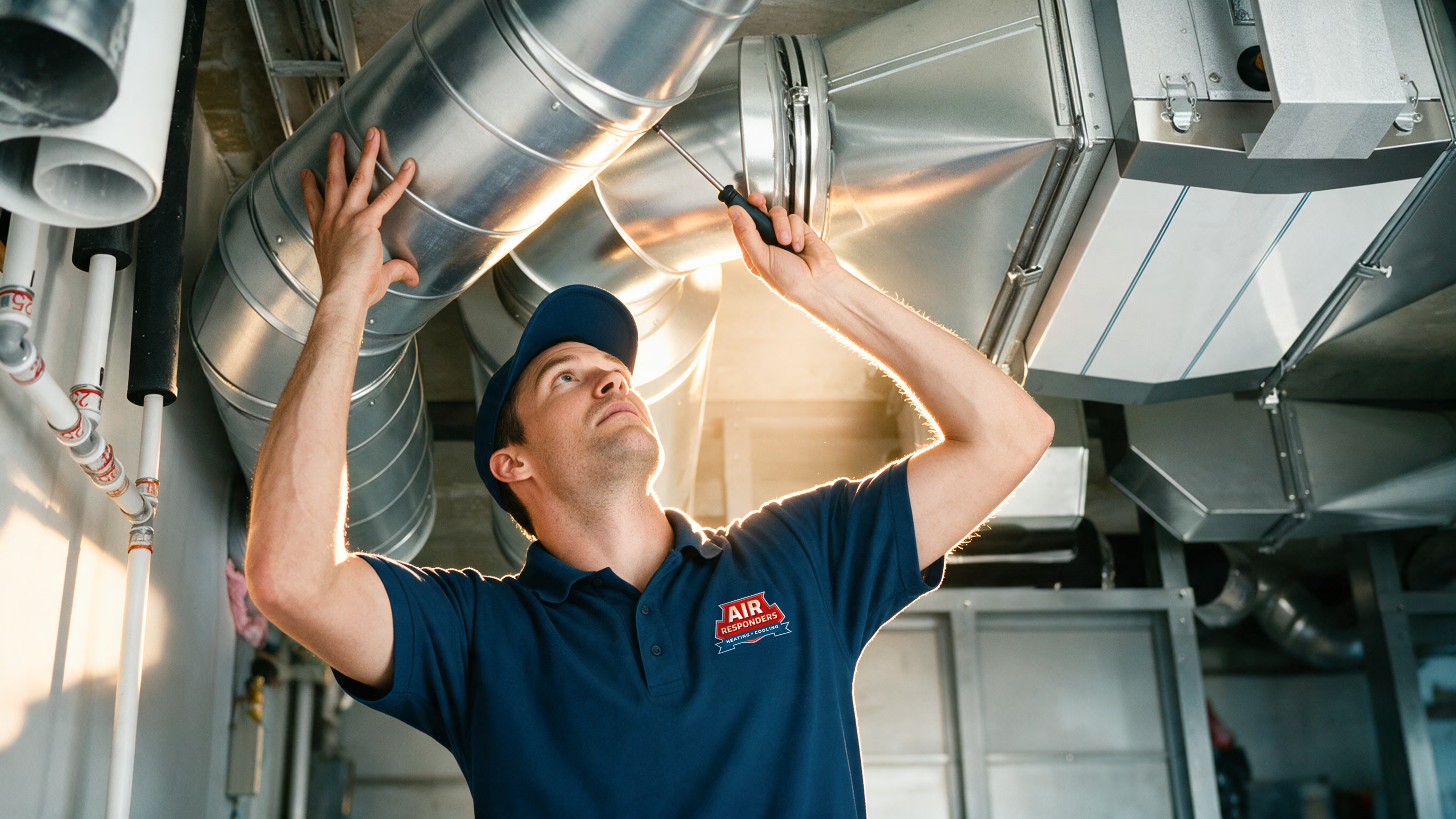
An install is not finished when the unit turns on. We measure static pressure, airflow, refrigerant charge and temperature split, then hand you the readings with photos and video so you can see the system performing to spec.
Your warranty is registered for you the day we finish, labor coverage is in writing, and a manager calls after every job to confirm it was done right. If a number drifts, we come back and correct it.

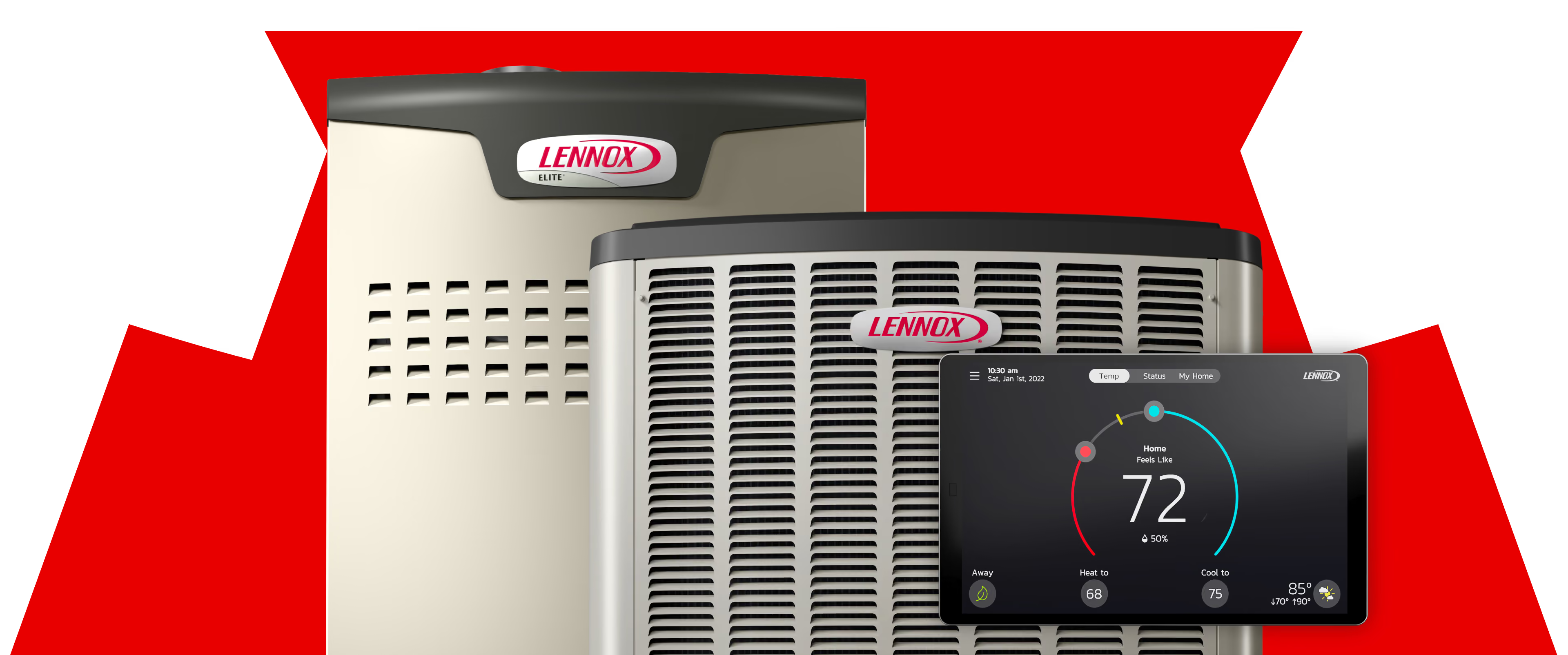

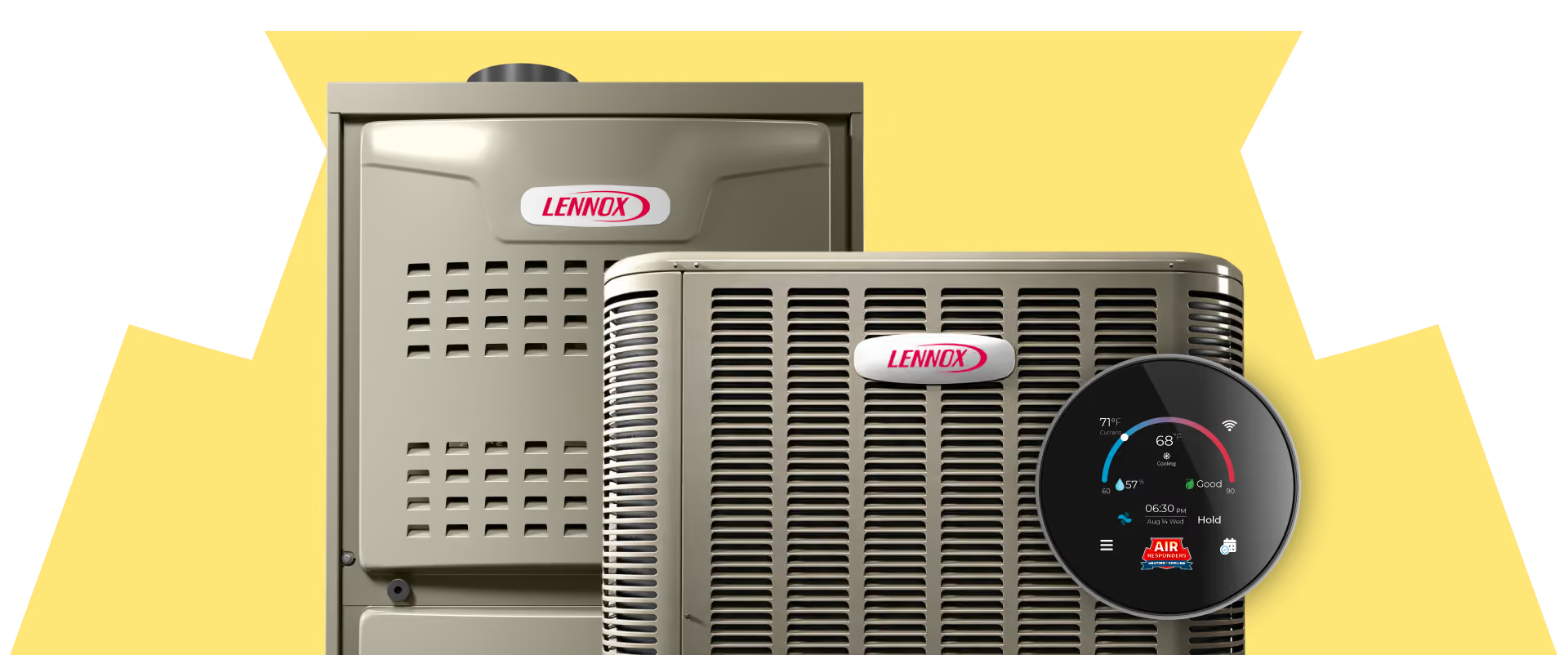
Most Austin homeowners are quoted $8,000–$12,000 up front for a new furnace. Ours starts at $125 a month — 0% interest, and no payments for 18 months.
Air Responders serves 40 cities within 50 miles of Austin, including Round Rock, Cedar Park, Georgetown, Pflugerville, Kyle, Buda, San Marcos, and New Braunfels. Most heating and cooling repairs handled same or next day.


Sometimes — it depends on whether your air handler and coil are rated to pair with a heat pump outdoor unit, and whether the existing strips can serve as back-up heat. On some systems it's a straightforward outdoor-unit change; on others the indoor equipment has to change too.
We check the model numbers, the coil match and the electrical capacity before quoting, and we'll tell you plainly which of those two situations you're in.
Yes — there's no combustion, so no carbon monoxide risk, which is one genuine advantage over gas heat. The risks are electrical: undersized wiring, a breaker that doesn't match the strip capacity, or loose connections that heat up over time.
Those are exactly what we check on a tune-up, along with the high-limit switch and airflow. A limit switch that has been tripping repeatedly is the clearest sign something upstream needs attention.
Fifteen to twenty years is common, since the elements themselves are simple and Austin asks little of them. Sequencers and contactors usually fail first — they're the moving parts — and both are inexpensive to replace.
The most frequent premature failure we see comes from restricted airflow: a dirty filter or an undersized return makes the elements overheat and cycle on the limit switch repeatedly, which shortens their life considerably.
For most Austin homes on electric resistance heat, it's the single biggest available cut to a winter bill. A heat pump moves heat instead of generating it, and it uses the same ductwork and the same air handler position, so it isn't a disruptive change.
It costs more up front, and the payback depends on your usage and rates. We price both paths with your actual numbers so the decision is a comparison rather than a recommendation you have to take on faith.
The blower and the heating elements are separate systems, so air can move with no heat behind it. The usual causes are a failed heating element, a bad sequencer that never energises the strips, a tripped high-limit switch, or a breaker that has opened on the heat circuit.
A tripped limit switch is worth taking seriously — it usually indicates restricted airflow, and resetting it without fixing the cause just sets up the next trip.
Electric resistance heat converts electricity to heat at one to one, with none of the multiplier a heat pump gets — so it's inherently expensive to run. What usually makes it worse is oversized strips, poor airflow causing short cycles, or leaking ducts dumping heat into the attic.
We measure amp draw, static pressure and duct condition before recommending anything, because sometimes the fix is airflow and sometimes the honest answer is that a heat pump would cut the bill substantially.
Heating, cooling, or air quality — book online in under a minute or call and talk to a real person. Same or next-day service across the Austin area.