









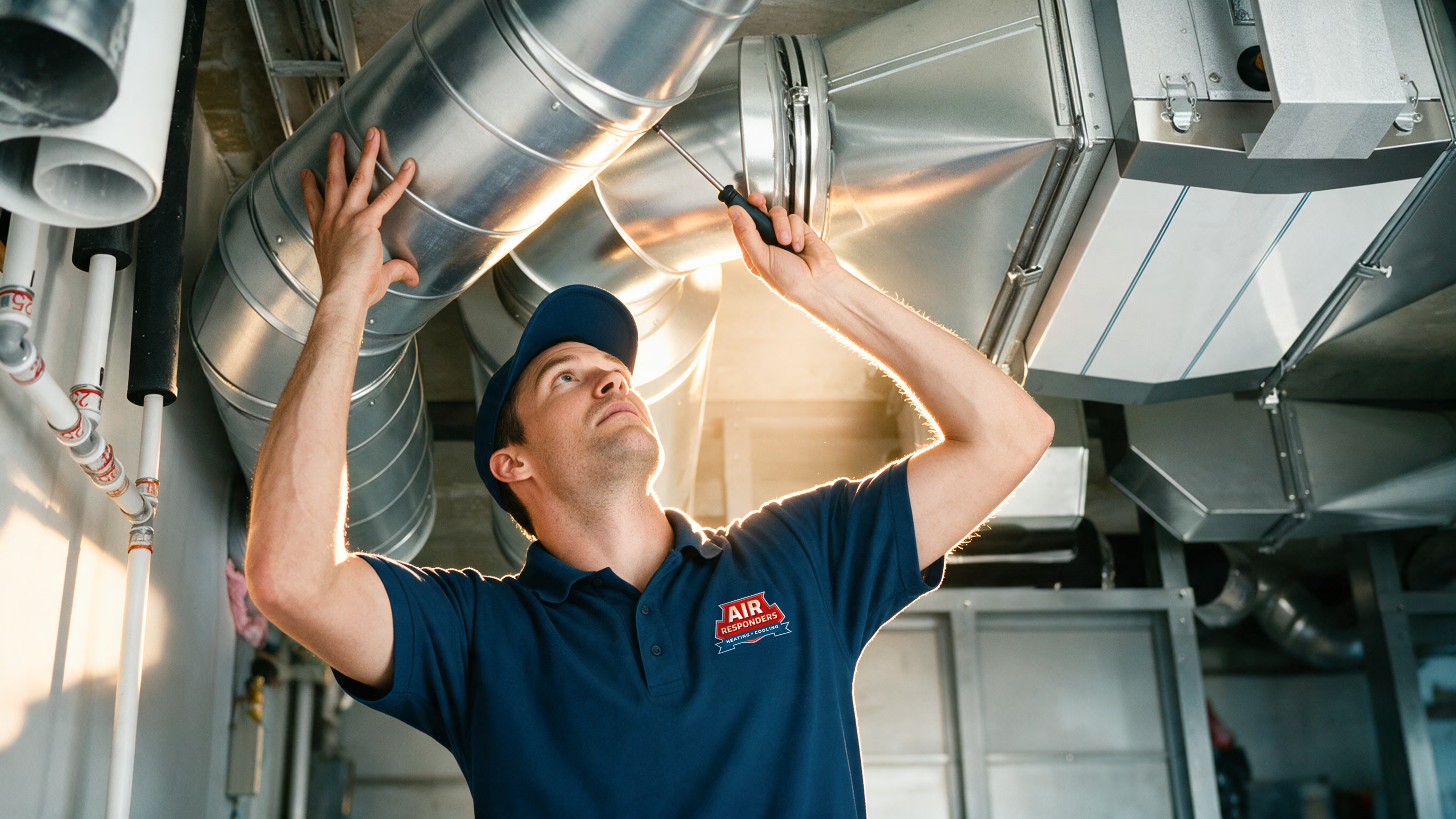







We size the system to your home, not to the box that's in it now. Load calculations, duct and airflow measurements, and a full system evaluation come first. You get three options in writing, with the reasoning and the financing behind each.

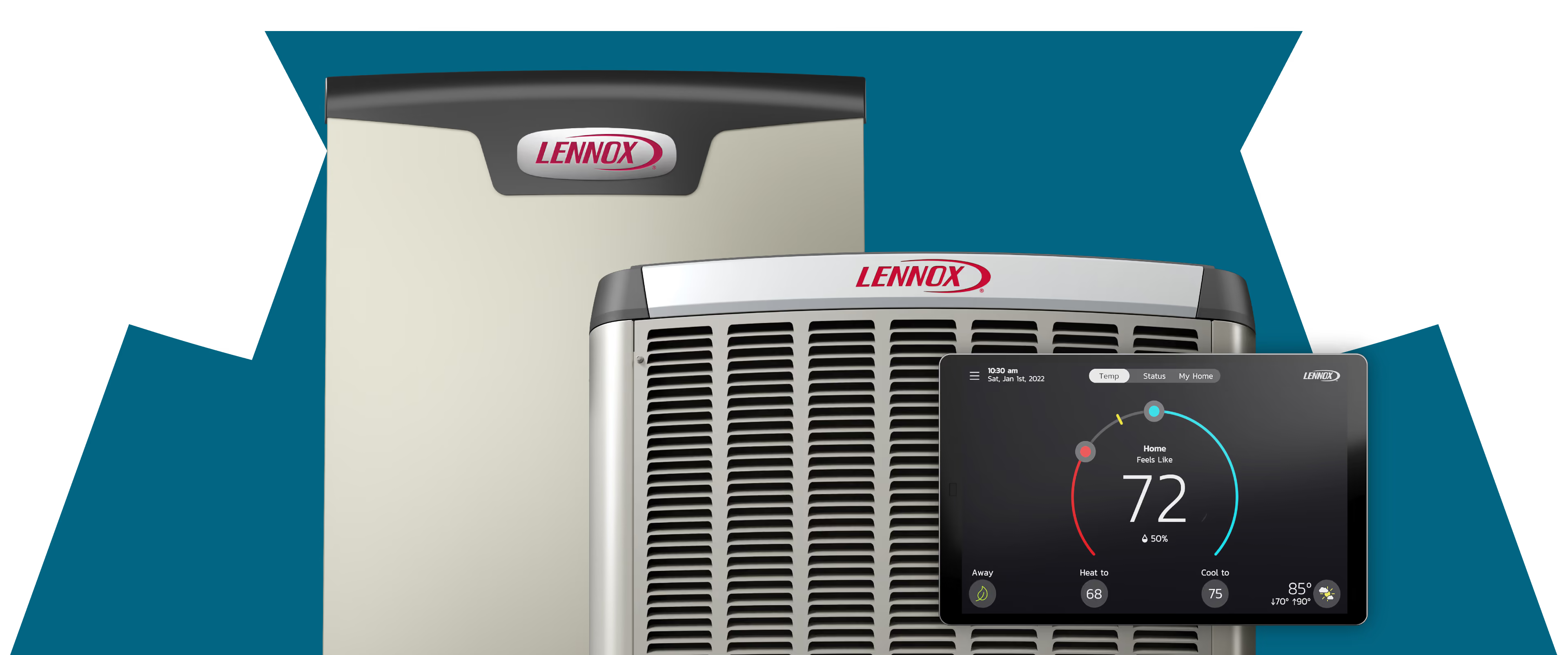
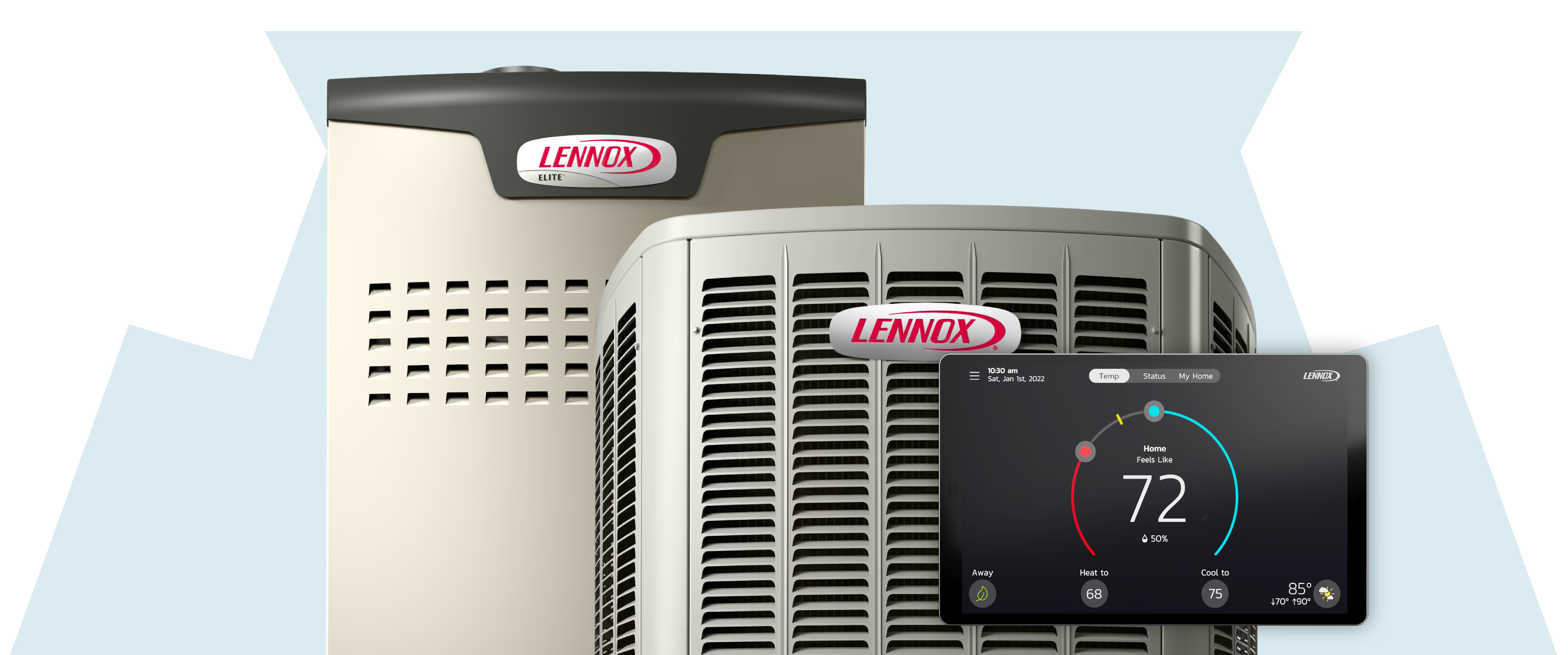
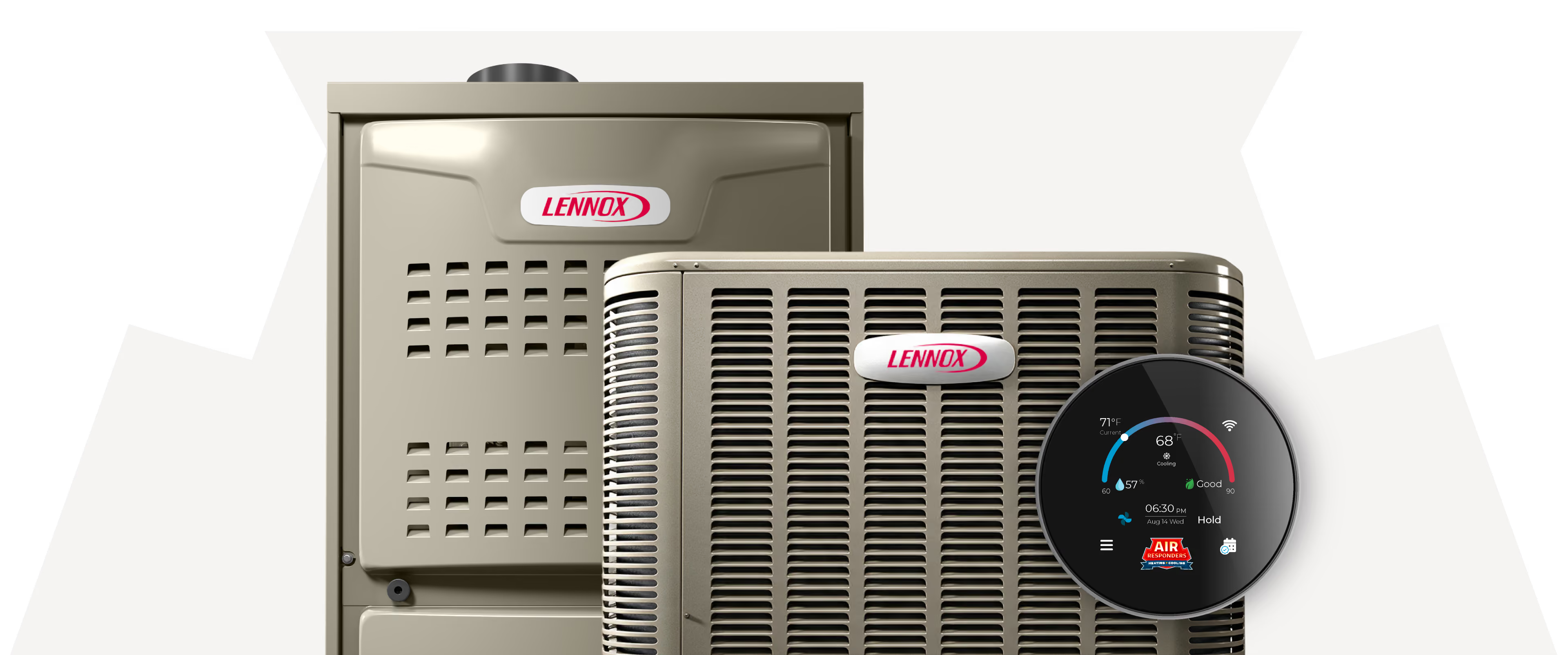
Uniformed technician, marked truck, shoe covers and drop cloths down before the first tool comes out. Daikin and Lennox equipment installed to manufacturer spec, with ductwork, drain and electrical corrected at the same time. Most installs finish in a single day.

An install is not finished when the unit turns on. We measure static pressure, airflow, refrigerant charge and temperature split, then hand you the readings with photos and video so you can see the system performing to spec.
Your warranty is registered for you the day we finish, labor coverage is in writing, and a manager calls after every job to confirm it was done right. If a number drifts, we come back and correct it.

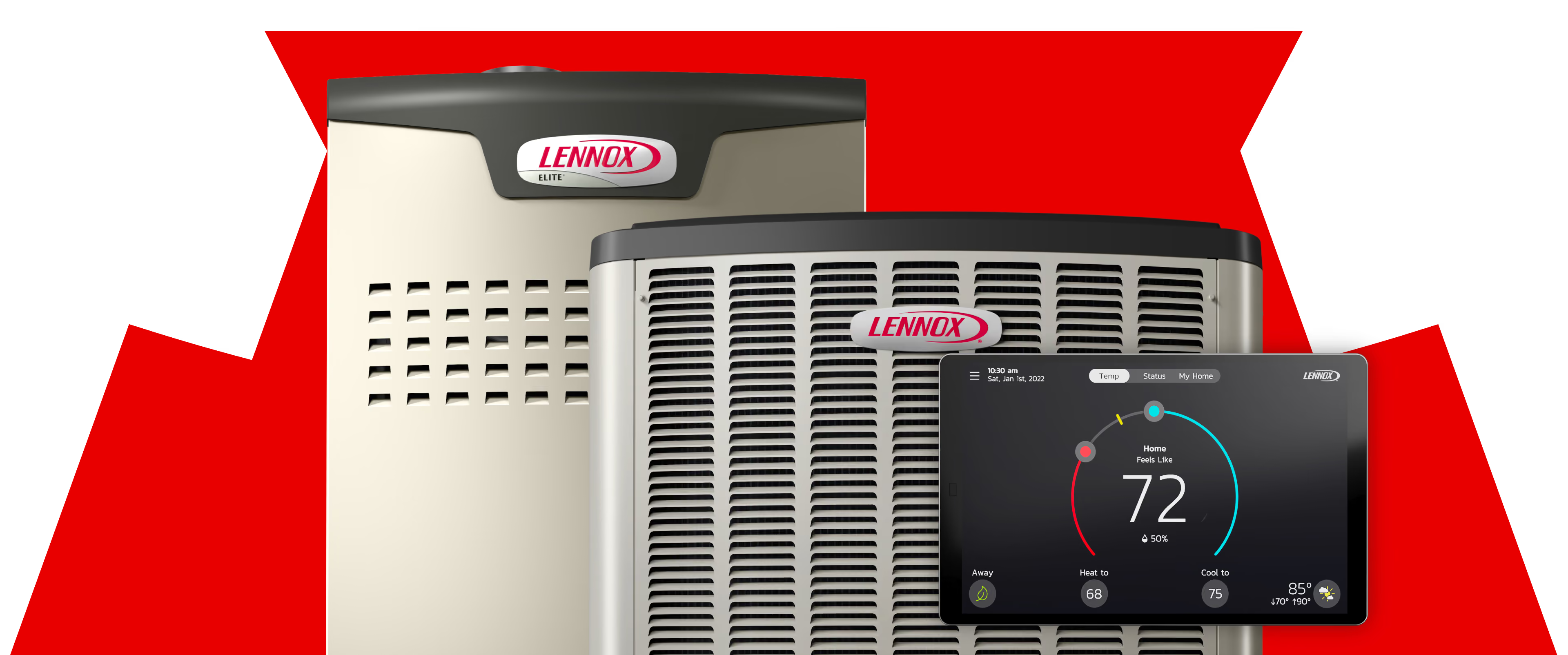

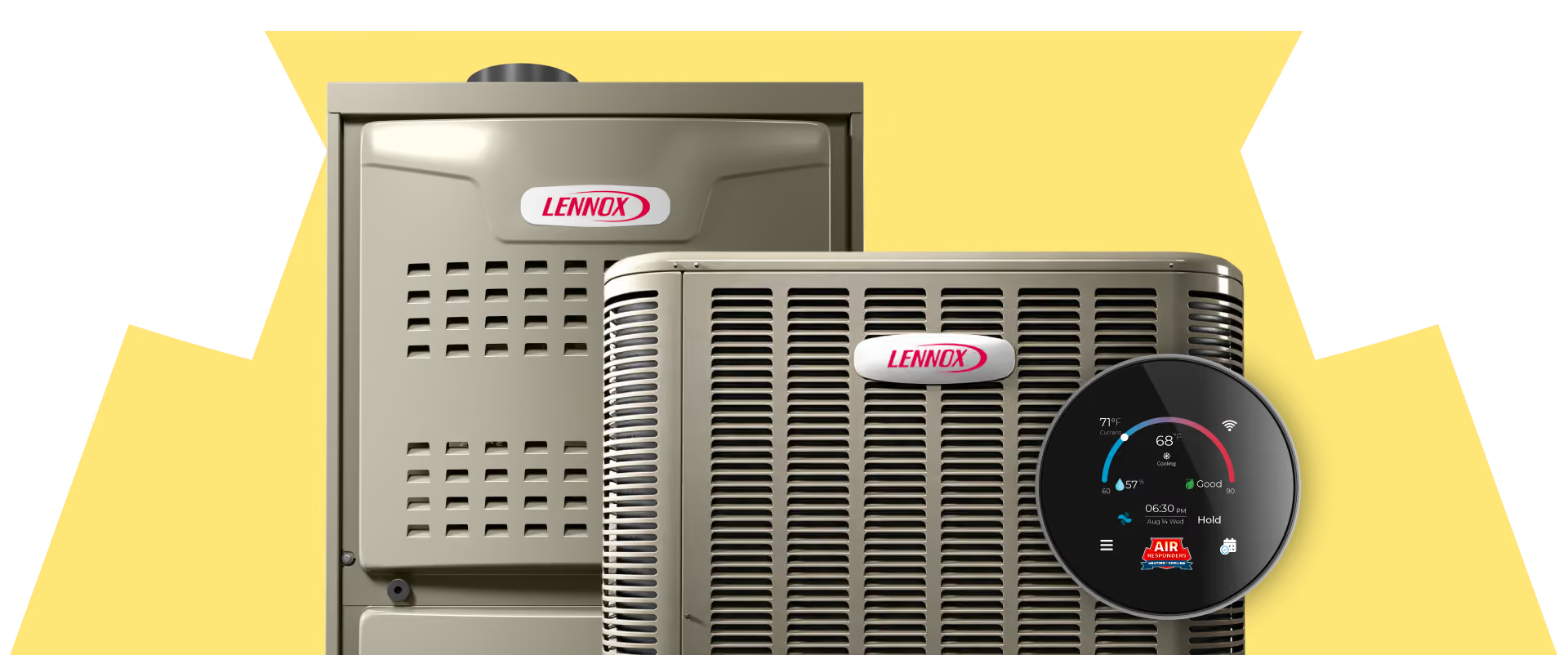
Most Austin homeowners are quoted $8,000–$12,000 up front for a new furnace. Ours starts at $125 a month — 0% interest, and no payments for 18 months.
Air Responders serves 40 cities within 50 miles of Austin, including Round Rock, Cedar Park, Georgetown, Pflugerville, Kyle, Buda, San Marcos, and New Braunfels. Most heating and cooling repairs handled same or next day.


Yes, and in Austin it's a small, well-sized addition rather than a second heating system. Electric heat strips in the air handler cover the coldest nights and the defrost cycles, when the heat pump alone can't keep up.
Sizing matters: oversized strips are expensive to run and get called on more than they should. We set the balance point so back-up heat engages only when the heat pump genuinely needs help, not whenever the thermostat gets impatient.
Ten to fifteen years is typical in Central Texas. A heat pump works harder than a furnace because it handles both seasons — our long cooling season does most of the wearing — so it won't match a gas furnace's lifespan.
Annual maintenance matters more here than on almost any other system. Correct refrigerant charge and clean coils are the difference between a compressor that reaches fifteen years and one that fails at eight.
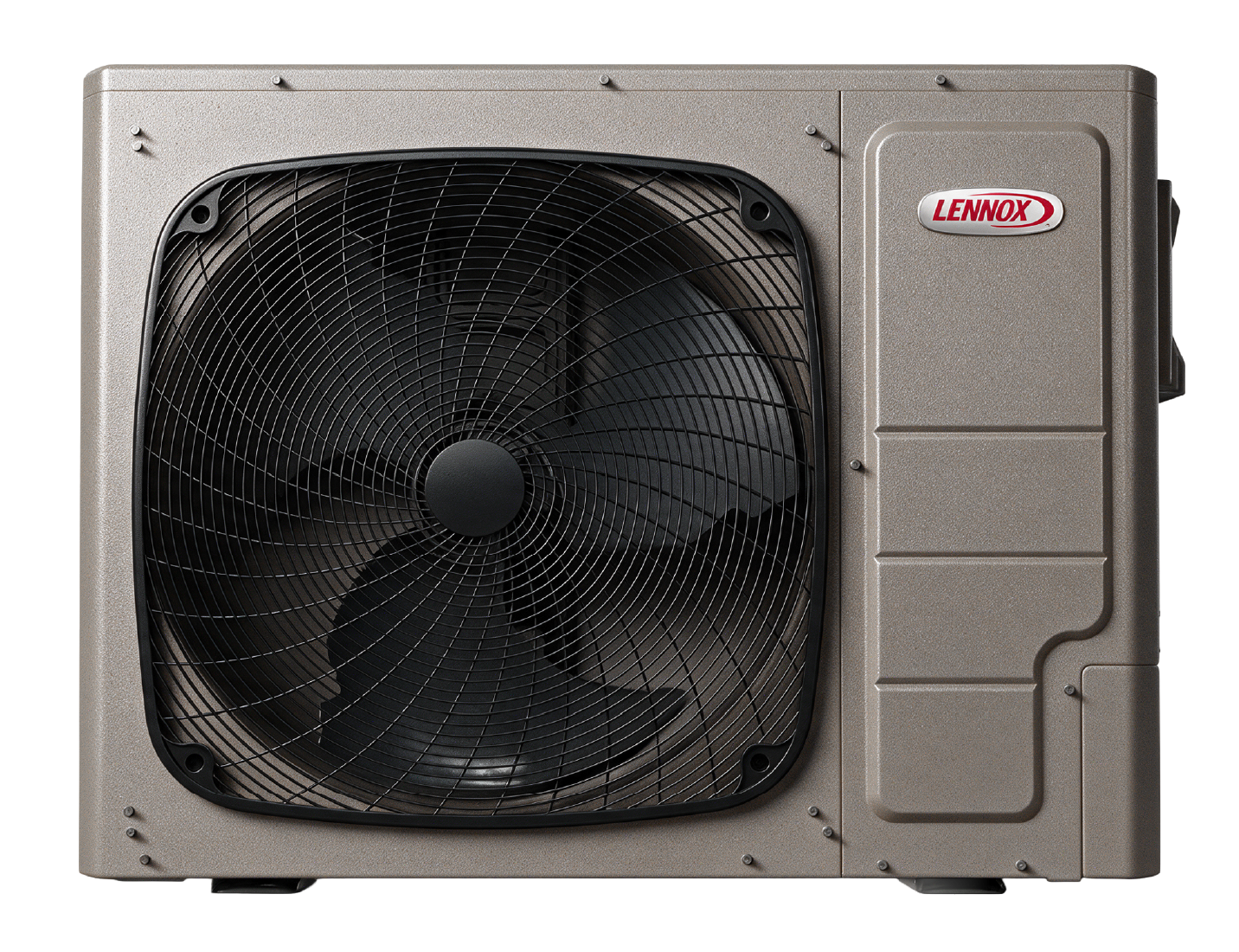
Yes, it's normal. On cold damp mornings frost forms on the outdoor coil, and the system briefly reverses to melt it — you may see steam rising off the unit and hear the sound change. A cycle typically lasts a few minutes.
What isn't normal is defrost running constantly, the coil staying encased in ice, or the cycle never completing. Those usually mean a defrost board, sensor or refrigerant charge problem, and they're worth diagnosing before the compressor pays for it.
Often it's normal. A heat pump delivers air at around 90–100°F in heating mode, which is cooler than your body temperature and therefore feels tepid at the register even when the system is working correctly and the house is warming.
It's worth a service call when the house isn't actually reaching setpoint, when the auxiliary heat light stays on, or when the outdoor unit is iced over for long stretches. Those point to charge, defrost or reversing valve problems.
On most Austin winter nights, yes. A heat pump moves heat rather than generating it, so it delivers several units of heat per unit of electricity — which beats gas on operating cost across the mild temperatures that make up most of our season.
Gas tends to win on the coldest nights and in homes with very low gas rates. Since the answer depends on your own utility rates and usage, we run the comparison with your numbers rather than a national average.
Very well — Central Texas is close to ideal heat pump territory. Modern variable-speed systems hold most of their rated capacity down into the 30s, and Austin spends the overwhelming majority of its winter above that.
For the handful of nights that drop below freezing, the system brings in supplemental heat automatically. That's why we size the back-up heat properly at installation rather than treating it as an afterthought: it only runs a few nights a year, but those are the nights you notice.
Heating, cooling, or air quality — book online in under a minute or call and talk to a real person. Same or next-day service across the Austin area.